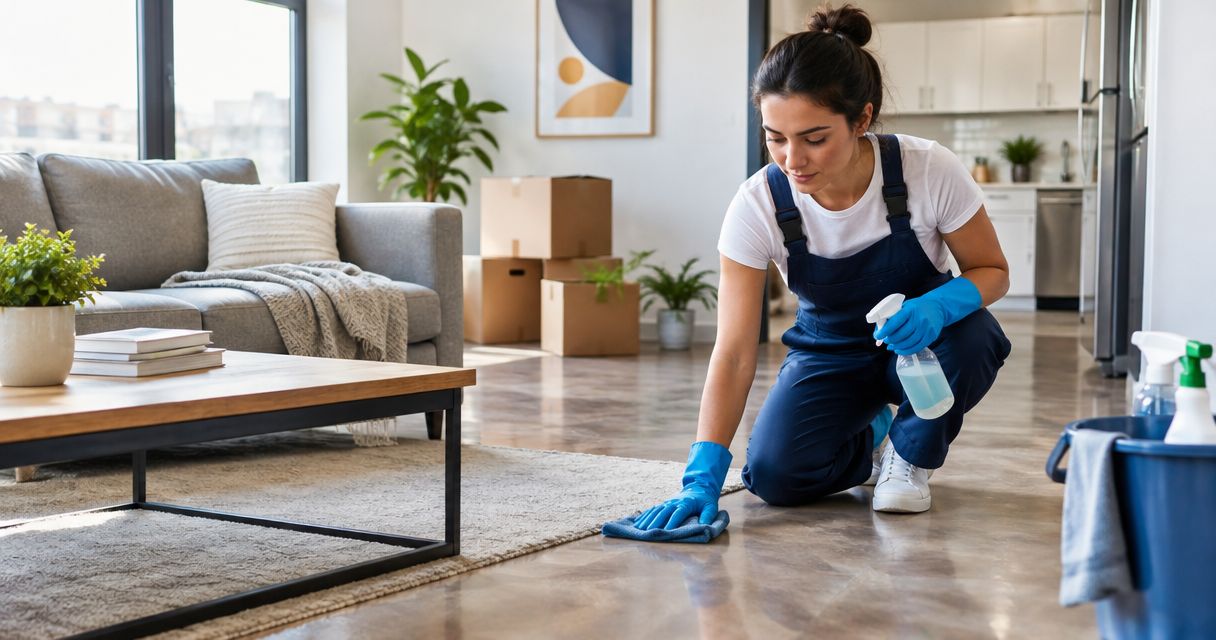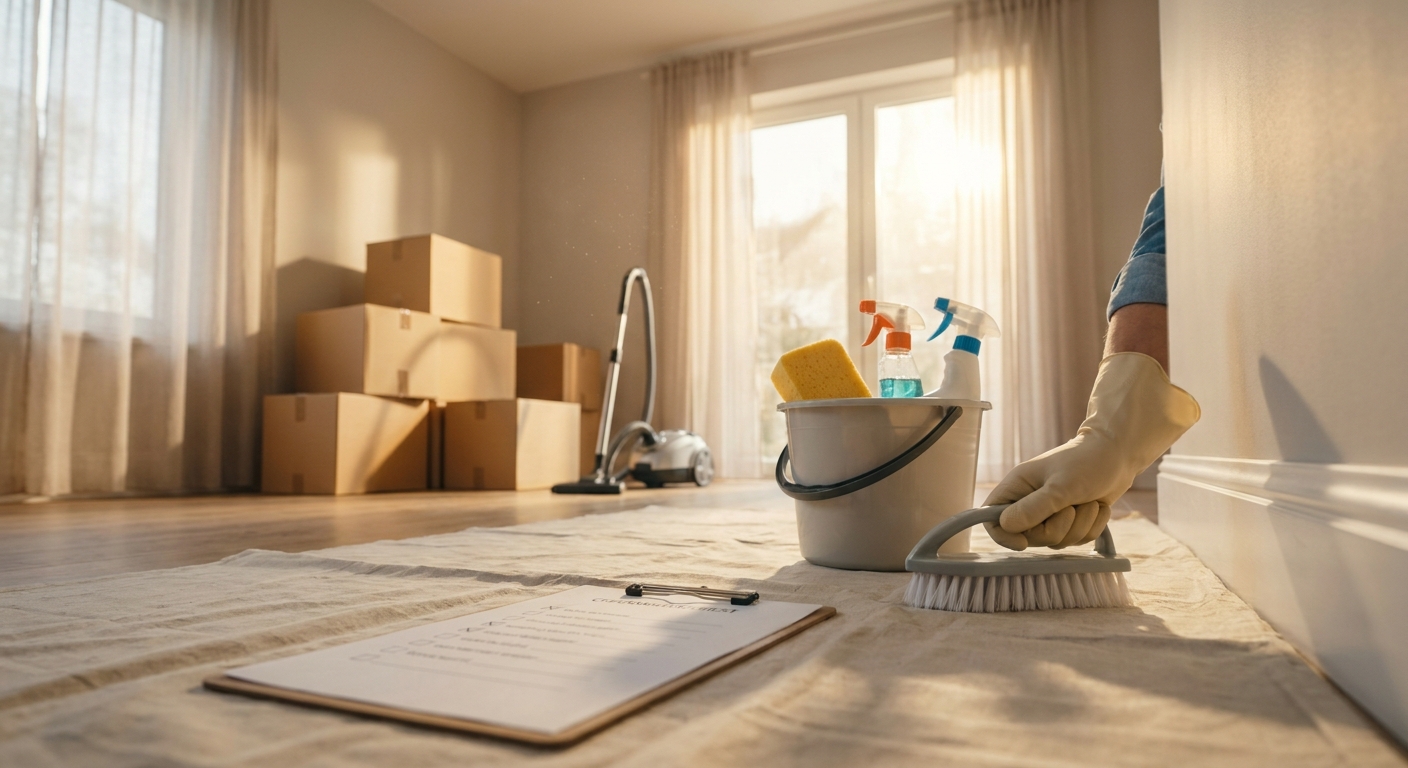
Move-out day is stressful enough without wondering whether the landlord's flashlight is going to find a ring of grease behind your stove. This checklist ranks the zones that matter most for getting your deposit back in 2026, in the order they actually get inspected, plus which ones are worth hiring out and which you can knock out yourself.
- Kitchen and bathrooms decide your deposit — nail those two zones first in the best deep cleaning checklist for move out.
- Baseboards and walls get skipped most often and cause the most 2026 deposit disputes.
- Hire a pro for oven interiors and grout; DIY closets and light fixtures to save cash.
- Book your move-out deep clean 3-5 days before the final walkthrough, not the morning of.
Why This Matters
A good workman never blames his tools, but a bad move-out clean will absolutely blame you when the deposit comes back short. Property managers in Nashville run through the same short list of trouble spots every single time — grease, grout, and baseboard dust are the usual suspects.
Most lease agreements in 2026 still lean on vague language like "broom clean condition," which sounds easy until you're standing in a kitchen with two years of splatter behind the range. The move-out day deep clean exists because a regular weekly wipe-down and a true move-out clean are not the same job — one keeps a house tidy, the other has to survive a walkthrough with a checklist and a flashlight.
Skip a zone here and you're not losing points on a report card. You're losing actual dollars off a deposit that can run into the hundreds.
How We Ranked This Checklist
This ranking follows the order most property managers and move-out inspectors actually scan a home: kitchen first, bathrooms second, then the surfaces people forget — baseboards, walls, closets, and windows. Each zone below is scored on three things: how often it causes a deposit dispute, how long it realistically takes to do right, and whether it's worth handing to a professional or tackling yourself on a Saturday.
The verdicts aren't about effort for effort's sake. They're about where your two or three hours before the walkthrough are best spent.
1. Kitchen — the deposit killer
Grease builds up on cabinet fronts and range hoods for years, and it's the single most-cited issue in move-out disputes. The stove hood filter alone can take 20-30 minutes of degreasing to get back to a neutral color.
What it takes: full interior appliance wipe-down (oven, fridge, microwave), cabinet fronts, backsplash, and under-sink cabinets. A landlord's flashlight goes here first, every time.
Verdict: Hire Pro. Degreasing an oven interior by hand is a 45-minute fight most renters lose. This is the one zone where paying for it back is cheaper than losing deposit money over it.
2. Bathrooms — the deal-breaker
Grout, tub rings, and hard water spots on faucets are the second-most flagged item. Mold in grout lines especially — once it sets in, a sponge and spray bottle won't touch it.
What it takes: full tile and grout scrub, toilet base and hinges, exhaust fan dusting, and mirror/faucet polish. Landlords check the toilet base and behind the door more than people expect.
Verdict: Hire Pro. Grout restoration needs the right acid-based cleaner and a stiff brush technique that most DIY attempts undershoot.
3. Baseboards and walls — the one everyone forgets
Scuff marks, dust buildup, and nail holes get overlooked constantly because they're low to the ground and easy to miss on a quick pass. This is where a rushed cleaning job gets caught.
What it takes: wipe down every baseboard, spot-clean walls near light switches and doorframes, and patch small nail holes if your lease requires it.
Verdict: DIY. A microfiber cloth and a magic eraser handle 90% of this in under an hour. No special skill needed, just patience.
4. Floors — carpet and hardwood
Carpet stains and hardwood scuffs are visible the second someone walks in, which makes this a high-visibility, medium-effort zone. Vacuuming isn't enough for a true move-out standard.
What it takes: deep vacuum plus spot treatment, or a full steam clean for carpet; mop and polish for hardwood, with attention to corners and under furniture.
Verdict: Hire Pro for carpet, DIY for hardwood. Carpet steam cleaning equipment isn't something most renters own, and rental units make this cheap to schedule alongside the rest of the clean.
5. Windows and tracks
Window tracks collect dead bugs, dust, and grit that most people never touch until move-out forces the issue. It's a small zone but an easy one to lose points on.
What it takes: interior glass, sills, and tracks vacuumed and wiped, screens spot-cleaned if removable.
Verdict: DIY. A vacuum attachment and a damp cloth get this done in 15 minutes per window.
6. Closets and cabinet interiors
Empty shelves still collect dust, hair, and the occasional forgotten sock. Landlords open these during walkthroughs more than renters expect.
What it takes: wipe every shelf, vacuum closet floors, check corners for missed items.
Verdict: DIY. Ten minutes per closet, no products beyond a damp rag.
7. Porch, entryway, and light fixtures
Dust on ceiling fans, cobwebs in porch corners, and grime on entry door handles are the last things inspectors notice — but they notice.
What it takes: wipe fixtures, dust fan blades, sweep and wipe down entry surfaces.
Verdict: DIY. Quick, low-risk, and satisfying to finish on.
Skip the deep-clean stress
Book a move-out clean online and check every zone off before the walkthrough.
Zone-by-Zone Verdict Table
| Zone | Time (DIY) | Deposit risk | Verdict |
|---|---|---|---|
| Kitchen | 2-3 hrs | High | Hire Pro |
| Bathrooms | 1.5-2 hrs | High | Hire Pro |
| Baseboards/walls | 45-60 min | Medium | DIY |
| Floors (carpet) | N/A | Medium-High | Hire Pro |
| Floors (hardwood) | 30-45 min | Low-Medium | DIY |
| Windows/tracks | 15 min/window | Low | DIY |
| Closets/cabinets | 10 min/closet | Low | DIY |
| Porch/fixtures | 20-30 min | Low | DIY |
Where to Get It Done Right
If you're a renter trying to protect a deposit, move-out cleaning for Nashville renters is built around exactly this checklist order — kitchen and bathrooms first, everything else after. Homeowners preparing to list have a slightly different priority list, since staging matters as much as spotless grout; home sellers and open houses cleaning covers that angle.
A few sourcing rules worth following in 2026, whichever route you pick:
- Book 3-5 days ahead, not the morning of. Move-out slots fill up fast around the 1st and 15th of the month.
- Ask what's included versus what's an add-on. Oven interiors, carpet steam cleaning, and window tracks are commonly separate line items.
- Get before/after photos if a deposit dispute is even remotely possible. It's the fastest way to settle an argument with a property manager.
FAQ
What's the best deep cleaning checklist for move out in 2026?
The best deep cleaning checklist for move out starts with the kitchen and bathrooms, then covers baseboards, floors, windows, closets, and light fixtures in that order. Those first two zones cause the most deposit disputes, so they get done first and most thoroughly.
How long does a move-out deep clean take?
A full move-out deep clean on a 2-3 bedroom home takes 4-6 hours for one person, or 2-3 hours with a two-person crew. Add extra time if carpet steam cleaning or heavy oven degreasing is involved.
Do I need to clean the oven and fridge before moving out?
Yes, most leases explicitly require appliance interiors to be cleaned, and it's one of the first things inspectors check. Skipping the oven interior is one of the most common reasons deposits get docked.
Is a move-out cleaning checklist different from a regular deep clean?
Yes. A regular deep clean focuses on comfort and appearance, while a move-out checklist is built around what a landlord or property manager inspects during a walkthrough. Baseboards, grout, and appliance interiors get more attention in a move-out clean.
How much does a professional move-out cleaning cost in Nashville?
Pricing varies by home size and add-ons like carpet steam cleaning or oven degreasing, so check current rates directly on the booking site. Most homeowners find it cheaper than losing deposit money over missed zones.
Can I get my full security deposit back without a professional cleaning?
It's possible if you follow a thorough checklist and have several hours to spend on grout and appliance interiors. Most disputes happen in exactly those two zones, so a careful DIY pass can work if you don't rush it.
What do landlords check first during a move-out walkthrough?
Kitchen appliances and bathroom grout get checked first in most walkthroughs, followed by baseboards and flooring. Windows, closets, and fixtures tend to get a quicker glance.
Should renters or homeowners hire a cleaning service for move-out?
Renters trying to protect a deposit and homeowners prepping for a sale both benefit, but the priorities differ slightly. Renters focus on inspection zones; sellers add staging and curb appeal to the list.
One Last Thing
The zone people underestimate the most in 2026 isn't the kitchen — it's the baseboards. They're low, they're boring, and they're exactly where a rushed move-out clean gets caught, because dust there is visible in direct light from any angle in the room. Spend the extra 20 minutes on them.