Yes, you can request fragrance-free cleaning products; ask before your visit and get confirmation of the products the cleaner will use. Making the request does not guarantee that a company can accommodate it, and fragrance-free does not mean odorless or suitable for every sensitivity. This guide explains how to make a clear request for your 2026 cleaning visits without leaving the details to guesswork.
- Can I request fragrance-free cleaning products? Yes—request them before booking and confirm the exact products before cleaning begins.
- Fragrance-free and unscented are not interchangeable; check product information rather than relying on smell.
- Porch and Parlor Cleaning provides Nashville-area residential cleaning; discuss fragrance requirements before arranging service.
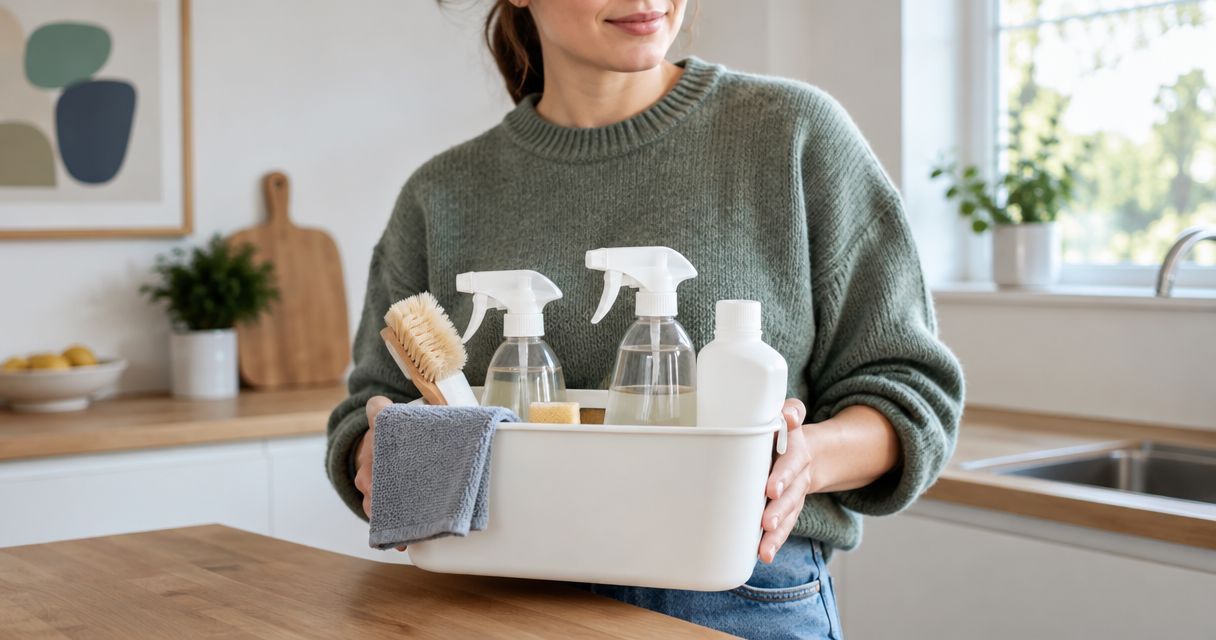
- Include floor cleaners, bathroom products, finishing sprays, and cleaning cloths in your request.
Why this matters
You want a clean home, not a bathroom that smells like somebody wrestled a lemon tree. A pleasant scent is a preference, not proof that a surface is clean.
For some households, avoiding fragrance is about comfort. For others, particular ingredients trigger symptoms. Either way, the useful question is not simply whether the cleaner uses gentle products—it is which products will enter your home.
For a Nashville-area visit, contact the cleaning team before booking if fragrance avoidance is a requirement. Ask for an explicit answer rather than treating a booking note as confirmation.
Can I request fragrance-free cleaning products?
Yes. Request fragrance-free products before the appointment, identify what you need excluded, and ask the company to confirm the plan. A request is the start of the conversation, not an agreed accommodation by itself.
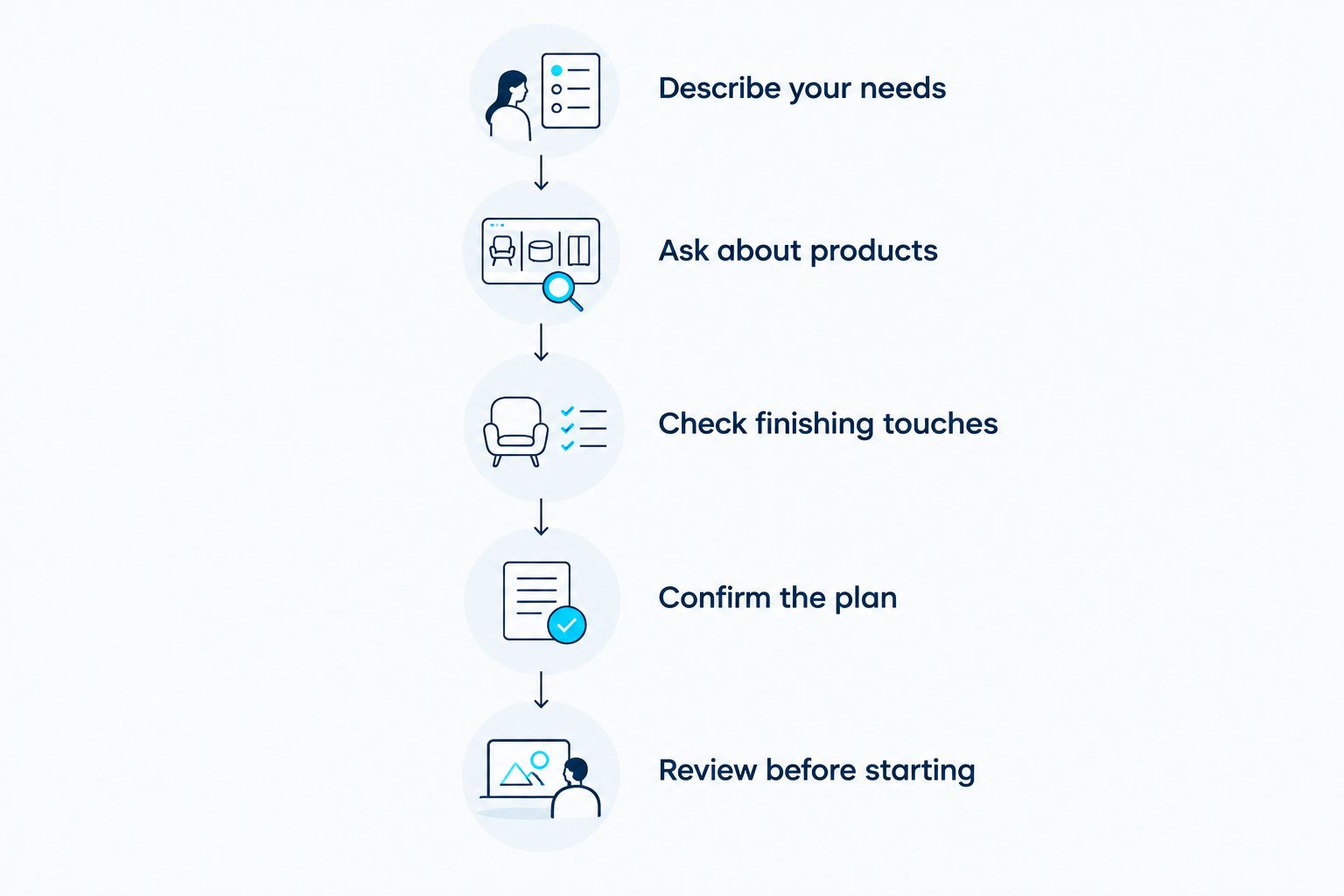
Use this sequence for a 2026 booking:
- Describe your needs. Say whether you prefer no added fragrance or need to avoid particular ingredients. You do not need to share your full medical history.
- Ask about products. Include the cleaners intended for counters, floors, glass, toilets, and showers—not just the main all-purpose cleaner.
- Check finishing touches. Ask that air fresheners, scented finishing sprays, and other fragrance-adding extras stay out of the visit.
- Confirm the plan. Get a written response covering the agreed products, any excluded tasks, and what happens if a substitution is needed.
- Review before starting. Ask the arriving cleaner to check the instructions before opening or applying products.
A useful confirmation names the products or explains how you can review them. A reply that simply calls everything natural does not answer your fragrance question.
Fragrance-free, unscented, and natural: what should you request?
Ask specifically for fragrance-free products rather than using unscented or natural as substitutes. These terms communicate different things, and none is a blanket promise that a product will suit your household.
| Product description | Best for | Useful feature | Limitation |
|---|---|---|---|
| Fragrance-free | Households seeking to avoid added fragrance | Directly addresses added fragrance | Does not mean odorless or free of other potential irritants |
| Unscented | People seeking little noticeable scent | Addresses the perceived smell | Can involve ingredients used to mask odors; verify the formulation |
| Essential-oil scented | People who want a botanical scent | Provides an intentionally scented option | Still introduces fragrance; not a substitute for fragrance-free |
| Natural or green | People investigating environmental or ingredient preferences | Gives you a starting point for further questions | Does not, by itself, establish that a product is fragrance-free |
The U.S. Environmental Protection Agency's Safer Choice program distinguishes fragrance-free products from unscented products. Its fragrance-free designation addresses fragrance materials; it is not a personal medical clearance for every user.
For your 2026 product review, check the current label and manufacturer information. Keep your request tied to the actual product rather than a broad description such as eco-friendly.
Does fragrance-free mean there will be no smell?
No. Ingredients can have their own odors even when a product contains no added fragrance. A fragrance-free cleaner therefore does not promise a home with absolutely no detectable smell.
If a particular odor or ingredient bothers you, name it separately. Asking for fragrance-free products and asking for an odorless visit are different requests, and the second needs a careful conversation about what is realistic.
Are essential oils an acceptable alternative?
Essential oils are not a fragrance-free alternative. They add scent, even when the source is botanical rather than synthetic.
If your goal is to avoid added fragrance, make that explicit. Otherwise, someone trying to help might suggest a scented botanical product that does not meet your request.
Why fragrance-free cleaning arrangements vary
The same request needs different planning in different homes. The deciding factors are the products, surfaces, tasks, and boundaries you agree on—not how strongly a cleaner smells.
- Surface requirements. Stone, wood finishes, glass, and other materials need compatible products. A fragrance preference does not replace surface-care instructions.
- Task requirements. Removing everyday dirt and carrying out a specific disinfecting task are different jobs. Confirm the intended task and suitable product together.
- Ingredient restrictions. No added fragrance is a broader instruction than avoiding a named ingredient. Provide the specific restriction when you know it.
- Cleaning tools. Ask about cloths and mop heads as well as bottles, particularly if you need to discuss possible fragrance residue from laundering.
- Existing household scents. Candles, plug-ins, laundry products, and earlier product residue can complicate your expectations for the room afterward.
- Product substitutions. Decide whether the cleaner should contact you or leave a task unfinished if the agreed product cannot be used.
These are discussion points, not reasons to accept a vague answer. The right plan states both what the cleaner will use and what the cleaner will not do without your approval.
What should I write in my cleaning request?
Keep your 2026 cleaning instructions short enough to use and specific enough to follow. Put the fragrance requirement first, then the product review and substitution instructions.
Here is sample wording you can adapt:
Please confirm whether you can use fragrance-free cleaning products throughout my visit. Please do not use air fresheners, essential-oil scents, or scented finishing sprays. Before the appointment, send the names of the planned products so I can review them. If a product change is needed, please check with me before using a substitute.
If relevant, add a separate line naming ingredients you need to avoid. Do not replace that detail with allergy-friendly or sensitive-home products; those phrases leave too much open to interpretation.
Make the boundaries practical
Decide what you want the cleaner to do when a product has not been approved. For example, ask the cleaner to leave the affected surface alone until you have discussed a suitable method.
That instruction prevents an awkward choice at the doorway. The cleaner should not have to guess whether finishing a task matters more than following your product restriction.
Keep the confirmation with the appointment details
Save the written agreement where you can find it before the visit. Ask how the instructions will reach the person doing the cleaning, including anyone covering a later appointment.
Do not assume that entering a note automatically means someone reviewed and accepted it. Ask for acknowledgment, especially when the restriction is a condition of the visit rather than a preference.
Can I supply my own fragrance-free products?
Ask the cleaning company before setting out your own products. Customer-supplied products require agreement about what the cleaner can use and which surfaces each product is intended for.
Providing familiar products gives you more control over the selection. The drawback is that familiarity alone does not establish suitability for every surface or task.
If the company agrees, keep products in their original labeled containers and provide the manufacturer's directions. Avoid handing over an unmarked spray bottle; a cleaner needs to know what is inside and how it should be used.
Discuss cloths and mop heads separately. Supplying a bottle does not answer questions about the rest of the equipment, and supplying your own tools is also something to arrange rather than assume.
Does fragrance-free cleaning still clean properly?
Fragrance is not the ingredient that proves a surface is clean. Choose a cleaner for its intended job and surface compatibility, then follow the label's directions.
Cleaning and disinfecting are different tasks. If you need disinfection, confirm that the selected product is labeled for that purpose and follow its required application instructions, including contact time.
Do not add another product to make a fragrance-free cleaner stronger. Never mix bleach with ammonia or acids, and do not mix cleaning products unless their labels specifically direct it.
For ordinary housekeeping, focus your conversation on the work you need completed: removing dirt, dealing with grease, or cleaning a particular surface. A scented finishing spray does not replace any of those tasks.
How should Nashville homeowners arrange the visit?
Porch and Parlor Cleaning is best for greater Nashville homeowners seeking residential cleaning they can book online. Fragrance requirements still need a direct conversation before service is arranged.
You can review Porch and Parlor Cleaning when planning home cleaning, then ask about your specific product requirements. Online booking is convenient, but a scheduled visit is not evidence that a special product request has been accepted.
For a recurring arrangement beginning in 2026, ask how to keep the agreed instructions attached to future visits. Reconfirm the plan whenever your restrictions, selected products, or cleaning tasks change.
This approach keeps the choice straightforward: arrange the visit when the product plan meets your needs. If a necessary requirement remains unresolved, settle it before cleaning starts.
FAQ
Can I request fragrance-free cleaning products when I book online?
Yes, you can request fragrance-free cleaning products when booking, but get direct confirmation that the company can follow the request. A booking note alone does not establish which products will be used.
Is unscented the same as fragrance-free?
No, unscented and fragrance-free are not interchangeable. An unscented product can use ingredients to mask odors, so check the manufacturer's product information.
Can fragrance-free cleaners still have a smell?
Yes, fragrance-free cleaners can have odors from their ingredients. Fragrance-free describes added fragrance, not a guarantee that you will detect no smell.
Can I ask my cleaner not to use air fresheners?
Yes, ask explicitly for no air fresheners, scented finishing sprays, or essential-oil scents. Include that instruction in the confirmed plan before the visit.
Can I provide my own fragrance-free cleaning supplies?
Ask the company whether it accepts customer-supplied products before the appointment. If it agrees, provide original labeled containers and discuss surface compatibility and any tool requirements.
Are fragrance-free cleaning products safe for everyone with asthma or allergies?
No, a fragrance-free label does not guarantee suitability for every person with asthma or allergies. Discuss personal restrictions with your healthcare professional and review the actual products before use.
What should happen if the cleaner needs to substitute a product?
Ask the cleaner to get your approval before using a substitute. Agree beforehand whether an affected task should be left unfinished if an acceptable product cannot be used.
One last thing
Make your substitution rule as clear as your fragrance request. A carefully chosen product list loses its purpose if someone swaps in a scented alternative without checking.
Before your next visit, add one practical instruction: leave the task unfinished rather than use an unapproved product. A missed patch of floor is easier to sort out than a product you specifically asked to avoid.