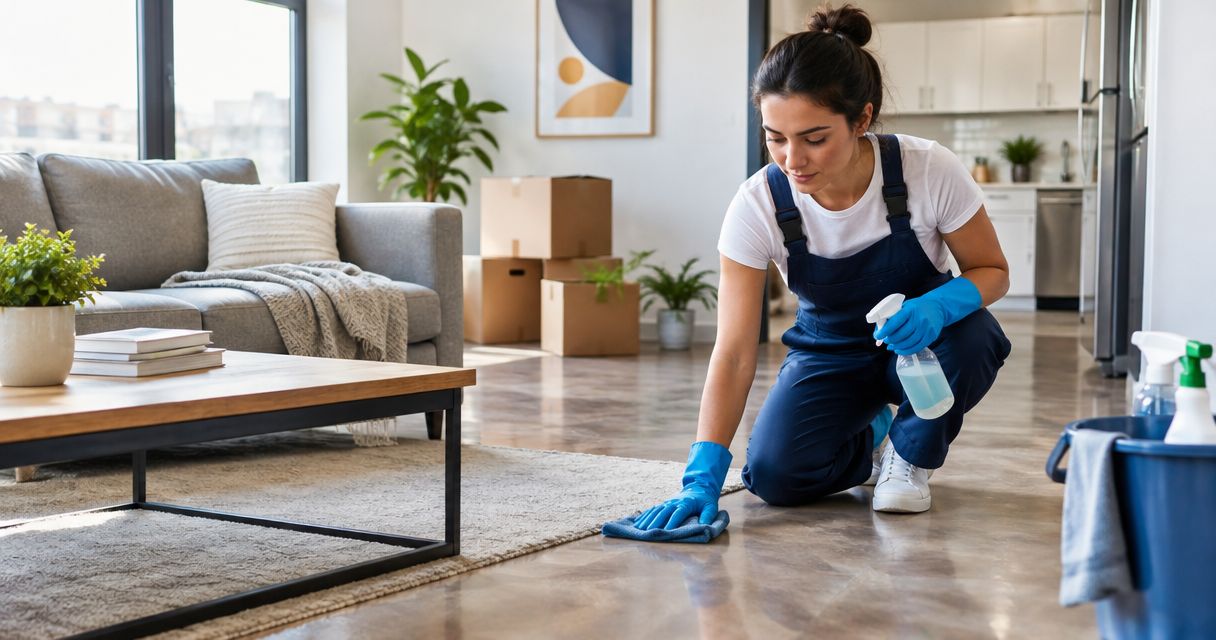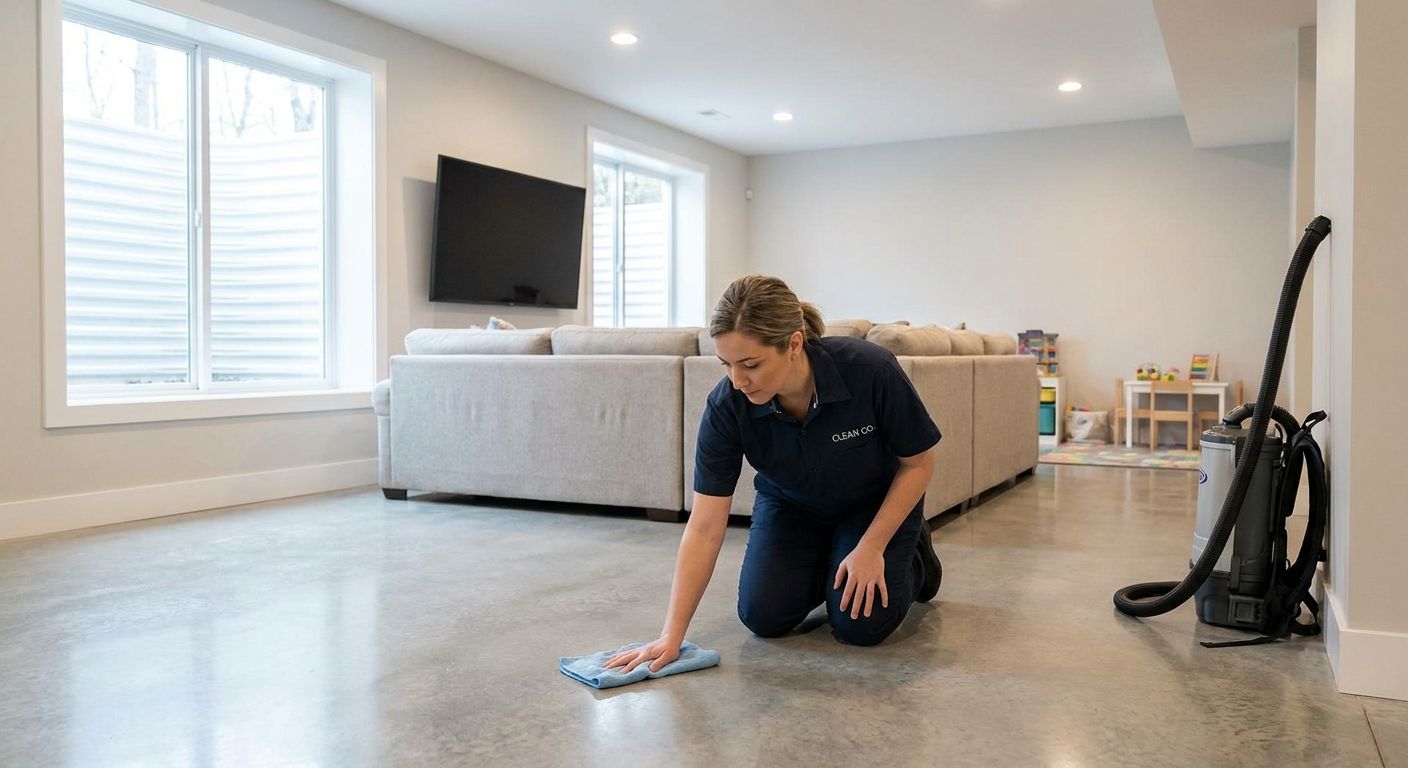
A finished basement gets treated like an afterthought in most house cleaning routines, and that is exactly why it turns musty, dusty, and cluttered faster than any other room in a Nashville home.
- A basement cleaning service should treat humidity control as job one, not an afterthought, since mold loves the 50-70% range basements often sit in.
- Porch and Parlor Cleaning treats finished basements as a distinct zone, not a bonus room tacked onto a regular clean.
- The recurring add-on pick wins for families who use the basement as a playroom or home gym in 2026.
- Skip DIY-only basement cleaning if you have carpet down there and no dehumidifier running.
Why this matters
Finished basements collect dust, pet hair, and moisture differently than the rest of the house because they sit below grade with less airflow and, often, no windows at all. The EPA recommends keeping indoor relative humidity between 30% and 50% to keep mold from taking hold, and basements are the room most likely to blow past that number. A basement cleaning service that just runs a vacuum over the carpet and calls it done is missing the actual problem.
In 2026, more Nashville homeowners are finishing basements into home offices, gyms, and guest suites than ever, which means more carpet, more upholstery, and more square footage that needs attention on a schedule, not just when someone notices a smell.
Who this is for
This guide is for homeowners with a finished basement in Nashville, Franklin, Brentwood, or Hendersonville who use the space regularly for a home office, a playroom, a guest bedroom, or a media room, and who want to know what an actual basement cleaning service should cover instead of guessing. If your basement is unfinished storage with a concrete floor and nobody spends time down there, most of this does not apply to you. If you or your kids are down there daily, keep reading. Porch and Parlor Cleaning works across greater Nashville and treats finished basements as their own zone on every visit, not a quick pass at the end.
What to look for in a basement cleaning service
Humidity and moisture awareness
A cleaner who ignores moisture is setting you up for a mold problem down the road. Ask whether the crew checks for damp spots near windows, sump pumps, or exterior walls before they start wiping anything down, because cleaning over a moisture issue just spreads it around.
Carpet and flooring-specific technique
Basement carpet traps more dust and allergens than carpet upstairs because it sits closer to the concrete slab and gets less natural airflow. A crew that vacuums basement carpet the same way they vacuum a living room upstairs is skipping a step that actually matters here.
HVAC returns and dryer vent proximity
Many finished basements share space with the furnace, water heater, or laundry setup, which means more dust circulating through vents and more lint drifting onto nearby surfaces. Look for a service that wipes down vent covers and nearby baseboards instead of cleaning around the equipment.
Clutter and storage boundaries
Basements double as storage more than any other finished room, and clutter is the number one reason a basement clean takes longer than quoted. A good service will ask what stays out and what gets worked around before the crew ever shows up, saving everyone a headache.
Odor control, not odor masking
A musty basement smell is usually a moisture or mold signal, not something that needs a candle. A cleaning service worth paying for addresses the source with proper ventilation and surface treatment rather than spraying air freshener and calling it a day.
Get your basement on a real schedule
See how Porch and Parlor Cleaning handles finished basements in Nashville.
Top picks for basement cleaning in 2026
The everyday pick: recurring basement add-on
One memorable detail: basements used as a home gym or playroom collect dust roughly twice as fast as a living room simply because there's less natural airflow to move it along. Adding the basement onto a recurring house cleaning schedule keeps dust and pet hair from building up between visits instead of letting it pile up for a quarterly deep clean. Verdict: Buy if your basement gets daily foot traffic.
The allergy-focused pick: deep clean with dehumidifier check
If anyone in the house deals with allergies or asthma, basement carpet and HVAC vents are usually the first place dust mites and mold spores show up. A cleaning approach that pairs a deep clean with a dehumidifier and humidity check keeps the space under that 30-50% EPA target instead of drifting into mold territory. Verdict: Buy for households managing allergy symptoms.
The pre-sale pick: one-time deep clean before showings
A finished basement can make or break a buyer's first impression, especially in Nashville's competitive listing market. A single deep clean focused on carpet, vents, and any lingering odor gets the space photo-ready without committing to a recurring plan. Verdict: Consider if you're listing within the next few weeks.
The DIY-only pick: skip it
Handling basement cleaning yourself with a shop vac and an air freshener might feel like it saves money, but it skips the humidity check and vent cleaning that actually prevent problems. If there's carpet down there and no dehumidifier running, this is the pick that costs you more later in mold remediation than it ever saved upfront. Verdict: Skip if the basement has carpet and no moisture control in place.
What to avoid
- A flat-rate quote that never asks about the basement. If a company prices your home without asking whether the basement is finished, carpeted, or used daily, that flat rate probably doesn't cover what you actually need done.
- A crew that treats the basement like an attic. Basements need humidity checks and vent attention; attics mostly need dust removal. Lumping them together as "extra storage space" is a red flag.
- Skipping the vetting step entirely. Before you hand anyone keys to a basement full of your gym equipment or home office gear, it pays to know what questions actually separate a solid cleaning company from a risky one.
Verdict comparison
| Pick | Best for | Humidity check | Verdict |
|---|---|---|---|
| Everyday recurring add-on | Daily-use basements | Yes | Buy |
| Allergy-focused deep clean | Allergy/asthma households | Yes | Buy |
| Pre-sale one-time deep clean | Home sellers | Sometimes | Consider |
| DIY-only | No one, really | No | Skip |
FAQ
What's the best basement cleaning service for a finished basement in Nashville?
The best basement cleaning service treats the finished basement as its own zone with humidity checks and vent attention, not a quick add-on. Porch and Parlor Cleaning builds this into recurring visits for Nashville-area homes.
Is a basement cleaning service better than doing it myself?
A professional basement cleaning service is better than DIY once carpet or a dehumidifier is involved, since moisture control needs consistent attention. DIY works fine for unfinished storage space with a concrete floor.
How often should a finished basement get cleaned?
A finished basement used daily as a gym, office, or playroom should be cleaned as often as the rest of the house, typically weekly or biweekly. Basements used only occasionally can go longer between deep cleans.
Does basement humidity actually matter for cleaning?
Yes, the EPA recommends keeping indoor humidity between 30% and 50% to prevent mold growth, and basements are the room most likely to exceed that range. A cleaning service that checks humidity is addressing the root cause, not just the surface.
Should carpet in a finished basement be cleaned differently than upstairs carpet?
Yes, basement carpet sits closer to the concrete slab and collects more dust and allergens due to less airflow. It needs more frequent vacuuming attention than carpet in upper-level rooms.
Can a basement cleaning service help with musty smells?
A musty smell usually points to moisture or early mold, not something an air freshener fixes. Addressing ventilation and humidity during cleaning solves the smell at the source instead of masking it.
What should I declutter before a basement cleaning visit?
Clear pathways to vents, the sump pump, and any storage boxes the crew doesn't need to work around. A decluttered basement lets the cleaning crew spend their time actually cleaning instead of navigating around boxes.
One last thing
The EPA's 30-50% humidity guideline isn't just a mold-prevention number, it's the difference between a basement that smells fine in July and one that smells like a gym bag by August. If your finished basement doesn't have a dehumidifier running through Nashville's humid summer months, that's the first fix, before you even book a cleaning.