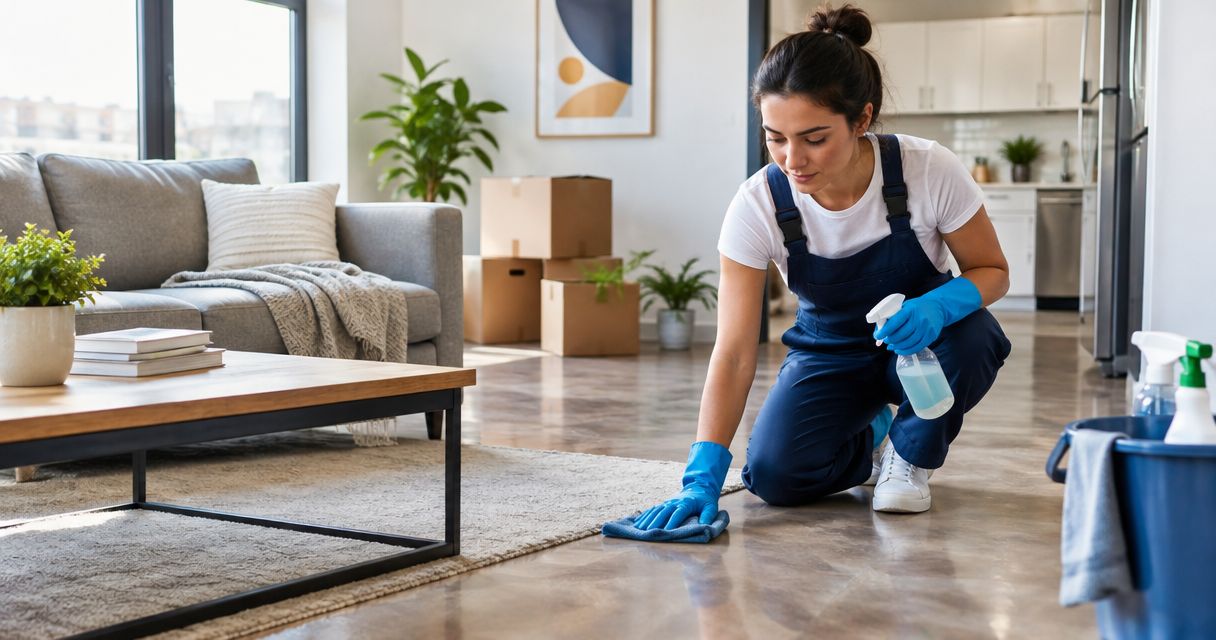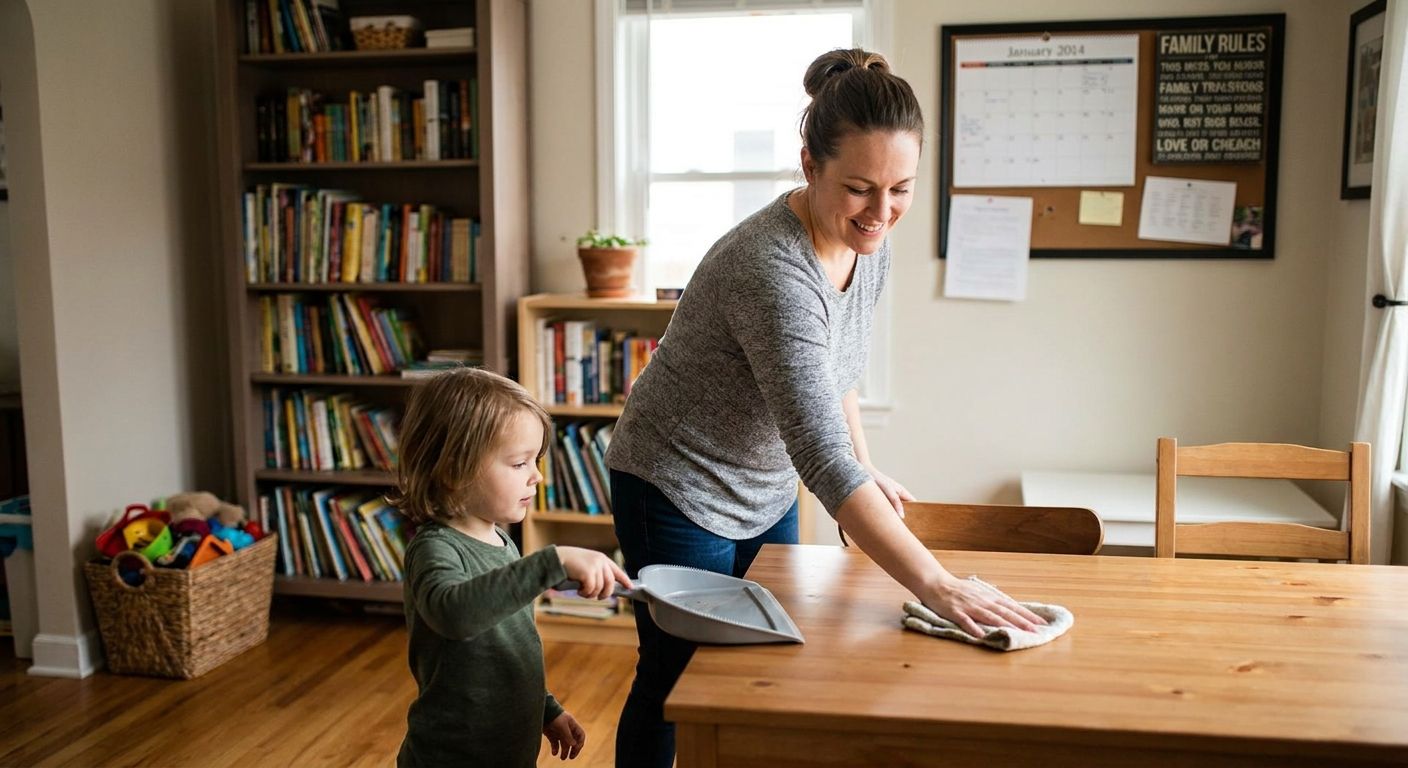
Foster families juggle inspection deadlines, unpredictable placement dates, and kids who need a stable-feeling home on short notice — and that's a different cleaning workload than a typical household faces. House cleaning for foster families is scheduling and cleaning a home so it passes licensing checks, welcomes a new placement on short notice, and stays sanitary for kids who may arrive with allergies, sensory needs, or medical requirements. The core difference from standard house cleaning: timelines aren't yours to control, and the stakes of a missed spot are higher than an annoyed spouse.
- House cleaning for foster families means fast-turnaround sanitizing before inspections and new placements, not routine tidying.
- A recurring cleaning plan beats one-off deep cleans because placement dates rarely give more than 24-48 hours notice.
- Childproofing and allergen control matter more here since you often don't know a child's needs until they arrive.
- Porch and Parlor Cleaning serves Nashville-area foster families who need reliable turnaround before caseworker visits in 2026.
- Budget cleaning as a fixed monthly line item — foster stipends rarely cover surprise deep-clean costs.
Why house cleaning matters for foster families
A licensing caseworker doesn't care that you had three days' notice for a new placement — the home still needs to pass a walkthrough. Tennessee foster families get inspected on move-in and periodically after, and a cluttered playroom or a dusty air vent reads as neglect even when it's just a busy week. Multi-generational households already deal with layered cleaning needs — foster families add a compliance layer on top of that.
The other pressure point is turnaround speed. A placement call can come in the evening for a child arriving the next morning, and the home needs to be sanitized, decluttered, and safe for an unfamiliar kid within hours, not days. That's a fundamentally different cleaning cadence than a family cleaning on their own schedule.
Set a baseline clean before licensing inspections
Inspections in 2026 still hinge on the basics: working smoke detectors, no exposed hazards, and visibly clean common areas. Build a pre-inspection routine you can run in under two hours.
- Wipe down all light switches, doorknobs, and handrails
- Vacuum and mop every room a caseworker is likely to walk through
- Clear counters and floors of clutter that could look like a hazard
- Check under sinks for exposed cleaning chemicals and lock them up
- Empty trash cans in every bathroom and kitchen
Build a fast-turnaround plan for new placements
When a placement call comes with less than 24 hours' notice, you need a checklist, not a decision tree. Write down the exact sequence so anyone in the house can run it.
- Strip and remake the bed with fresh linens
- Wipe down dressers, closets, and any surfaces the child will touch first
- Sanitize bathroom fixtures the child will use
- Do a quick sweep for choking hazards if the child is under 6
- Stock the room with basics (towels, a lamp, a nightlight) so it feels ready, not rushed
A recurring house cleaning plan built around your placement calendar removes the scramble — see how setting up recurring house cleaning works for households that can't predict their own schedule week to week.
Childproof high-traffic rooms for kids of any age
You often won't know a child's age or developmental stage until intake day, so childproofing has to default to the most cautious setup.
- Cap all unused electrical outlets
- Secure cords and blinds pulls out of reach
- Move cleaning supplies and medications to a locked cabinet
- Anchor tall furniture and bookshelves to the wall
- Pad sharp table corners in shared living spaces
A full walk-through before every new placement pays off — childproofing your home before a cleaning visit covers the room-by-room order that catches hazards fastest.
Keep bedrooms and shared spaces sanitized between placements
Every time a child transitions out, the room needs a reset that goes past a quick tidy — bedding, mattress protectors, and shared bathroom surfaces all need real sanitizing before the next kid moves in.
- Wash all bedding, including pillows and mattress covers, on a hot cycle
- Disinfect doorknobs, light switches, and drawer pulls
- Steam or deep-vacuum carpet and rugs
- Wipe down toy bins and shelving with a non-toxic disinfectant
- Air out the room for at least an hour before the next arrival
Budget cleaning into your foster care expenses
Cleaning costs are predictable if you plan for them, unpredictable if you treat every deep clean as an emergency expense. Foster stipends don't typically line-item cleaning, so building it into your household budget matters.
- Set a fixed monthly amount for recurring cleaning, separate from one-off deep cleans
- Track per-placement deep-clean costs so you know your real average
- Compare recurring plans against one-time deep cleans to see which actually saves money over a year
- Ask about bundled deep-clean-plus-recurring pricing before locking into a contract
Budgeting for recurring house cleaning breaks down how to separate routine cleaning costs from surprise deep cleans, which matters more for foster households than almost anyone else.
Schedule recurring cleaning around unpredictable placements
A fixed weekly or biweekly cleaning schedule gives you a clean baseline no matter when a placement call comes in — you're never starting from a messy house.
- Pick a cadence based on how often you take new placements, not just family size
- Build in a flex add-on option for last-minute deep cleans before intake
- Communicate placement timing to your cleaning provider so schedules can shift
- Keep a standing list of priority rooms (bedrooms, bathrooms, kitchen) for rushed visits
Best cleaning frequency for busy Nashville families walks through how to pick a cadence when your household's routine changes without warning.
Handle allergens and pet hair before a child arrives
Many foster placements come with undisclosed allergies until the child is already in your home, so treating every cleaning visit as allergen-control matters.
- Vacuum with a HEPA filter in every room, not just high-traffic areas
- Wash curtains and soft furnishings on a rotating schedule
- Keep pets out of bedrooms designated for new placements when possible
- Wipe down air vents and ceiling fans, where dust and pet dander collect
Households fostering kids with respiratory sensitivities benefit from the same routines covered in nurseries and kids' playrooms cleaning, which focuses on surfaces young kids touch and mouth most.
Comparing cleaning options for foster families
| Option | Best for | Key limitation |
|---|---|---|
| DIY cleaning between placements | Families with steady placement schedules and time to spare | Falls apart fast when a placement call comes with under 24 hours' notice |
| One-time deep clean before inspection | Families with a scheduled licensing visit | Doesn't cover the recurring sanitizing needs between placements |
| Recurring cleaning subscription | Households taking frequent or unpredictable new placements | Requires flexibility from the provider to shift dates around intake calls |
| Professional deep clean tied to placement calendar | Families who need both routine upkeep and rapid turnaround before intake | Needs advance coordination with the cleaning provider on notice windows |
Verdict: a recurring cleaning plan with a built-in rapid-turnaround option is the only setup that holds up when placement dates aren't yours to schedule.
Get a cleaning plan built for your household
See what a Nashville-area quote looks like for your home in 2026.
Common mistakes foster families make
- Treating deep cleans as one-off events. Foster households need a repeatable routine, not a scramble every time a placement call comes in.
- Skipping the outlet and cord check because "we did it last time." Kids of different ages need different hazard checks — a setup safe for a toddler isn't automatically safe for an infant or a school-age kid.
- Underestimating bedding turnover. Mattress protectors and pillow covers wear out fast with frequent washing between placements; skipping replacement leads to allergen buildup.
- Not budgeting cleaning separately from other foster expenses. Cleaning gets treated as an afterthought until an inspection is a week away and the house isn't ready.
- Forgetting shared bathrooms in the sanitizing routine. New placements often use bathrooms other kids already use daily, and that's the fastest way germs spread between kids in the home.
FAQ
What's the best cleaning schedule for a foster family?
A recurring biweekly or weekly plan works best because it keeps a clean baseline regardless of when a placement call comes in. Add a flexible deep-clean option on top for inspection days or new arrivals.
How much does house cleaning cost for a foster family in Nashville in 2026?
Costs vary by home size and how often you need service, so get a specific quote rather than estimating from a flat number. Budgeting it as a fixed monthly line item, separate from one-off deep cleans, keeps costs predictable.
Do I need to childproof before every new foster placement?
Yes, because you often don't know a child's age or developmental stage until intake day. Defaulting to the most cautious childproofing setup — outlet caps, secured cords, locked cabinets — covers every scenario.
Is a recurring cleaning plan better than one-time deep cleans for foster families?
A recurring plan is better for most foster households because placement timing is unpredictable and one-off deep cleans can't keep pace. One-time deep cleans still make sense for scheduled licensing inspections.
How fast can a home be cleaned before a new placement arrives?
A focused checklist covering bedrooms, bathrooms, and shared spaces can be run in under two hours if the routine is written down in advance. Waiting to figure out the steps on placement day wastes the time you don't have.
What should I prioritize if a caseworker visit is tomorrow?
Focus on visible common areas first: floors, counters, light switches, and any exposed hazards like cleaning chemicals or cords. A clean bedroom and bathroom for the child in placement matter more than closets or garages.
Do foster kids with allergies need special cleaning routines?
Yes, since allergies are often undisclosed until the child is already placed, treating every cleaning visit as allergen-control is the safer default. HEPA vacuuming and regular curtain washing cut down on dust and dander exposure.
Can a professional cleaning service work around unpredictable foster placement dates?
A provider that offers flexible recurring plans with add-on rapid deep cleans can accommodate short-notice placements. Confirm notice windows with the provider before signing a recurring contract.
One last thing
The detail that trips up most foster families isn't the big stuff — it's the mattress protector that's overdue for replacement after six placements' worth of hot-water washes. Check that one item on your next reset before the next intake call comes in, because it's the fastest allergen source hiding in plain sight in 2026.