Aging in place sounds simple until the grout gets grimy and nobody's got the knees to scrub it anymore. House cleaning for seniors is really about safety and independence first, tidiness second — and the right setup keeps someone in their own home instead of a facility.
- A biweekly recurring clean is the safest baseline for house cleaning for seniors aging in place — Buy.
- A one-time deep clean before downsizing beats a DIY move-out scrub every time — Buy.
- Skip the family-rotation cleaning plan; missed hazards and inconsistent schedules make it riskier than it looks.
- Same-cleaner consistency matters more for seniors than for any other household type Porch and Parlor Cleaning serves.
Why this matters
Falls, missed hazards, and lung-irritating chemical residue don't show up on a home tour, but they show up in emergency rooms. An ounce of prevention is worth a pound of cure, and for an aging-in-place household, prevention mostly means clear floors, non-toxic products, and a cleaner who notices when a bath mat's gone slippery.
Most of the seniors and family caregivers who book with Porch and Parlor Cleaning in the Nashville area aren't looking for a spotless magazine kitchen. They want the bathroom grab bars wiped down without being yanked on, the kitchen floor dry within the hour, and a cleaner who shows up on the same day every two weeks so nobody has to explain the routine twice.
Who this is for
This guide is for adult children coordinating care for a parent, for seniors managing their own home who want backup on the physical parts of cleaning, and for anyone weighing a recurring cleaning plan against a caregiver, a family member, or doing it themselves. If mobility, grip strength, or standing balance has changed the way cleaning gets done in a house, this is the buyer profile.
What to look for in house cleaning for seniors
Fall-hazard awareness, not just tidiness
A cleaner who leaves a damp bathroom floor or a bunched-up rug corner has technically "cleaned," but they've also created a hazard. Look for a service that dries floors, tucks rug edges, and clears walking paths as part of the job, not as an afterthought.
Consistency of cleaner
Seniors do better with a familiar face. The same cleaner, visit after visit, notices small changes — a new limp, a medication bottle left open, clutter that wasn't there last time — that a rotating crew never will. Ask directly whether the company assigns the same person to recurring visits.
Flexible, low-commitment scheduling
Needs change fast in aging-in-place households. A plan locked into a 12-month contract is the wrong shape for a situation that might look completely different in six months. Month-to-month or pause-anytime scheduling protects the family from paying for a plan nobody needs anymore.
Non-toxic, low-fume products
Respiratory sensitivity, medication interactions, and simply spending more time indoors all make harsh chemical cleaners a worse fit for older adults than for the average household. A service willing to use gentler products, or work around specific health restrictions, is worth more than one that just cleans fastest.
Communication with family caregivers
If an adult child is coordinating care from across town, a cleaning service that sends confirmation, arrival notice, and a quick note on anything unusual closes a real gap. That kind of light communication is the difference between peace of mind and a worried phone call every visit.
Bathroom and mobility-equipment care
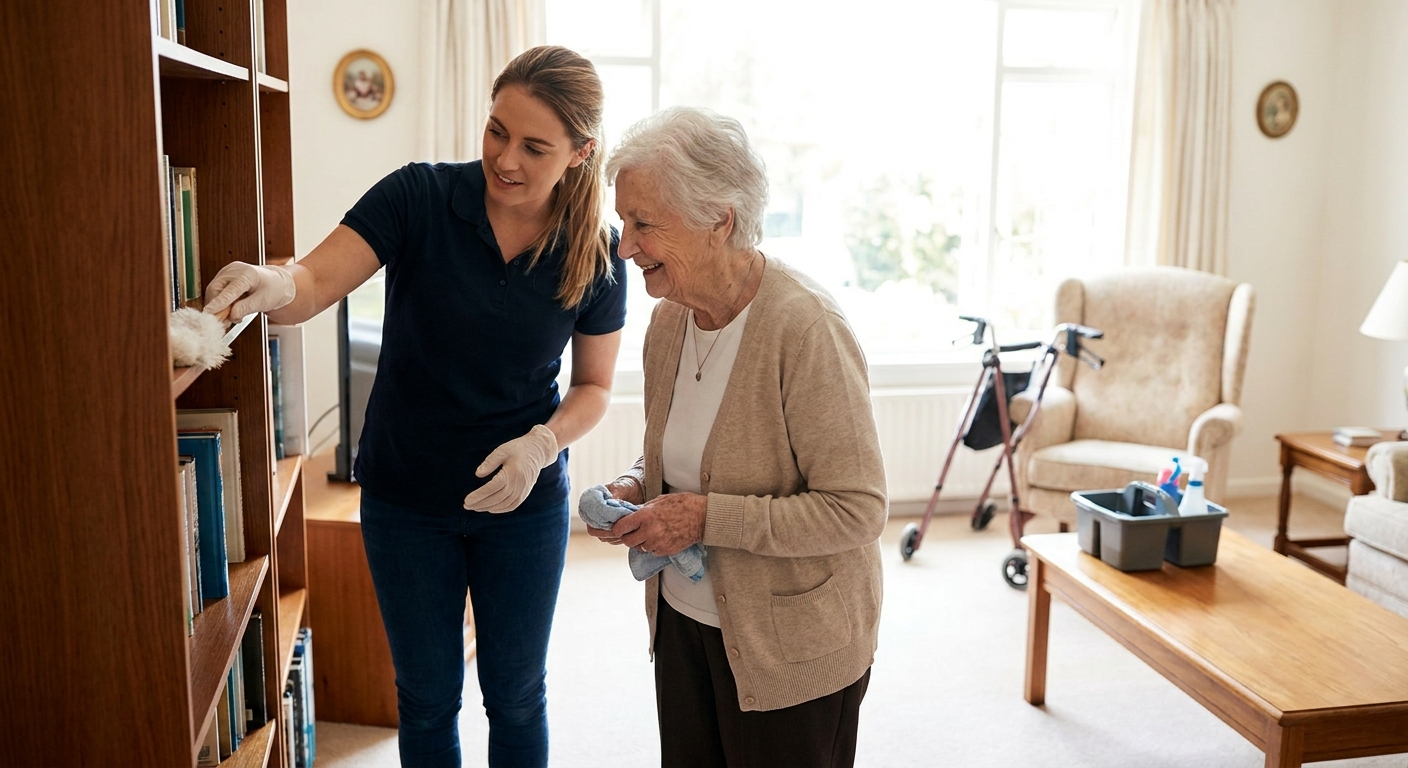
Grab bars, shower chairs, raised toilet seats, and walker wheels collect grime fast and get skipped by cleaners who don't know they need special attention. Confirm the service will actually clean the equipment, not just around it.
Before the first visit, it helps to know how to prepare your home for a professional cleaning service — clearing counters and flagging fragile items matters more in a home with mobility aids and medical supplies scattered around.
Set up a recurring visit
Book a Nashville-area cleaning plan built around aging-in-place needs.
Top picks for house cleaning for seniors in 2026
1. Recurring biweekly light cleaning — the steady safety net
A visit every two weeks keeps bathrooms, kitchens, and floors from turning into hazards between deep cleans. It's frequent enough to catch a slippery rug or a spill before it becomes a fall risk, and light enough not to feel invasive to someone used to living alone. Verdict: Buy for the majority of aging-in-place households in 2026.
2. One-time deep clean before downsizing — the fresh start
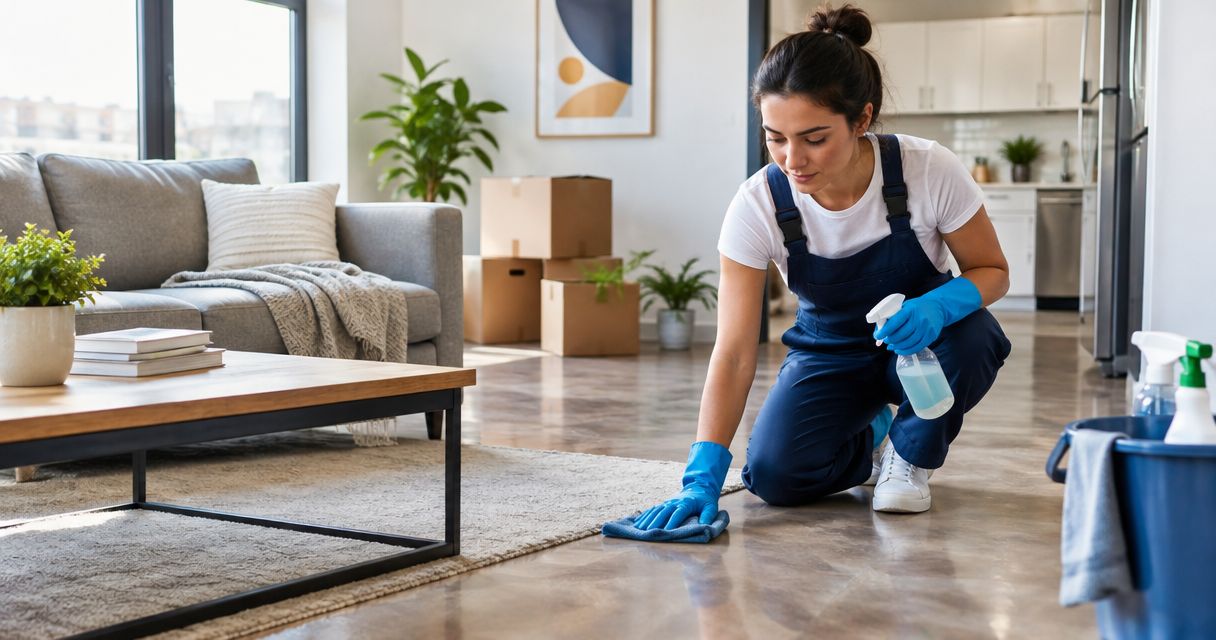
Moving a senior into a smaller home or assisted living almost always means clearing decades of buildup fast, and family members rarely have the bandwidth to do it themselves on a moving deadline. A deep cleaning service for move-out day handles the baseboards, appliances, and grime nobody's touched in years, in one pass instead of a weekend of arguing over who does the oven. Verdict: Buy for anyone transitioning a senior out of a long-term home.
3. Recurring clean for seniors with pets — the paw-print special
A lot of older adults keep a dog or cat specifically because the companionship matters more as the house gets quieter, but pet hair and litter tracking pile up faster than a senior can keep up with. A recurring house cleaning plan built for pet owners handles the extra hair and dander without extra runaround. Verdict: Consider if the household has a pet and standard biweekly cleaning isn't cutting it.
4. One-and-done trial clean — the test drive
Before committing a parent or spouse to a recurring plan, a single deep clean shows whether the cleaner is a good fit, whether the pricing makes sense, and whether the senior is comfortable having someone in the house. It's a low-risk way to answer questions a phone call never will. Verdict: Consider as a first step before locking in recurring service.
5. Family-rotation cleaning — the free option that costs you
Having grandkids or a rotating cast of relatives handle the cleaning sounds cheap, but it's inconsistent by design. Nobody clears a walking path the same way twice, hazards get missed, and the senior ends up managing a schedule instead of getting a break. Verdict: Skip it as a long-term plan — use it as a stopgap at most.
What to avoid
- A full deep clean every single visit. It sounds thorough, but it's disruptive, pricier than needed, and unnecessary between light biweekly visits.
- Harsh chemical cleaners as the default. Bleach fumes and heavy solvents aggravate respiratory issues that are more common in older adults, and some interact badly with medication routines.
- A different cleaner every visit. It looks like flexibility on a schedule; in practice it means nobody in the house ever gets familiar enough to notice when something's off.
Verdict comparison
| Option | Fall-hazard focus | Scheduling flexibility | Cost commitment | Verdict |
|---|---|---|---|---|
| Recurring biweekly light clean | High | High | Low, month-to-month | Buy |
| One-time deep clean (downsizing) | Medium | One-off | Single payment | Buy |
| Recurring clean, pet household | High | High | Low, month-to-month | Consider |
| One-and-done trial clean | Medium | One-off | Single payment | Consider |
| Family-rotation cleaning | Low | Depends on relatives | None, but costs time | Skip |
FAQ
What's the best cleaning frequency for a senior aging in place?
A visit every two weeks is the most common baseline for house cleaning for seniors in 2026 because it keeps bathrooms and floors safe between visits without feeling intrusive. Households with mobility limitations or pets sometimes move to weekly.
Is a deep clean or recurring clean better for an aging parent?
Recurring cleaning is better for ongoing safety, while a deep clean is better as a one-time reset before a move or after a long gap without cleaning. Most families use a deep clean first, then switch to recurring biweekly service.
How much does house cleaning for seniors cost?
Cost depends on home size, frequency, and how much deep cleaning is needed at the first visit, so it's best to get a direct quote rather than rely on a flat number. Recurring plans generally cost less per visit than one-off deep cleans.
Should the same cleaner come every time?
Yes, consistency matters more for seniors than for most households because a familiar cleaner notices small changes in mobility, hazards, or health that a new person would miss. Ask any service directly whether they assign a dedicated cleaner.
Are non-toxic cleaning products necessary for older adults?
They're strongly recommended, not strictly necessary, since respiratory sensitivity and medication interactions are more common in older adults. Ask the cleaning service what products they use before the first visit.
Can family members clean instead of hiring a service?
They can, but inconsistency is the main risk — rotating family cleaners means hazards get missed and schedules slip. It works fine as a short-term stopgap, not as a long-term aging-in-place plan.
What should I do before the first cleaning visit for a senior's home?
Clear counters, flag fragile or medical items, and walk the cleaner through any mobility equipment that needs special care. A short prep checklist prevents confusion on the first visit and every one after.
Is house cleaning for seniors different from regular residential cleaning?
Yes — the priority shifts from appearance to safety, meaning dry floors, cleared paths, and mobility-equipment care matter more than a spotless finish. The cleaning tasks overlap, but the sequencing and attention change.
One last thing
The cheapest mistake to fix is also the most common one: skipping the walkthrough before the first visit. A five-minute conversation about grab bars, rug edges, and where medical supplies sit saves more hazards in 2026 than any product switch or schedule change ever will.
Related guides
- Maid service for busy professionals — useful for adult children juggling a full-time job while coordinating a parent's care.