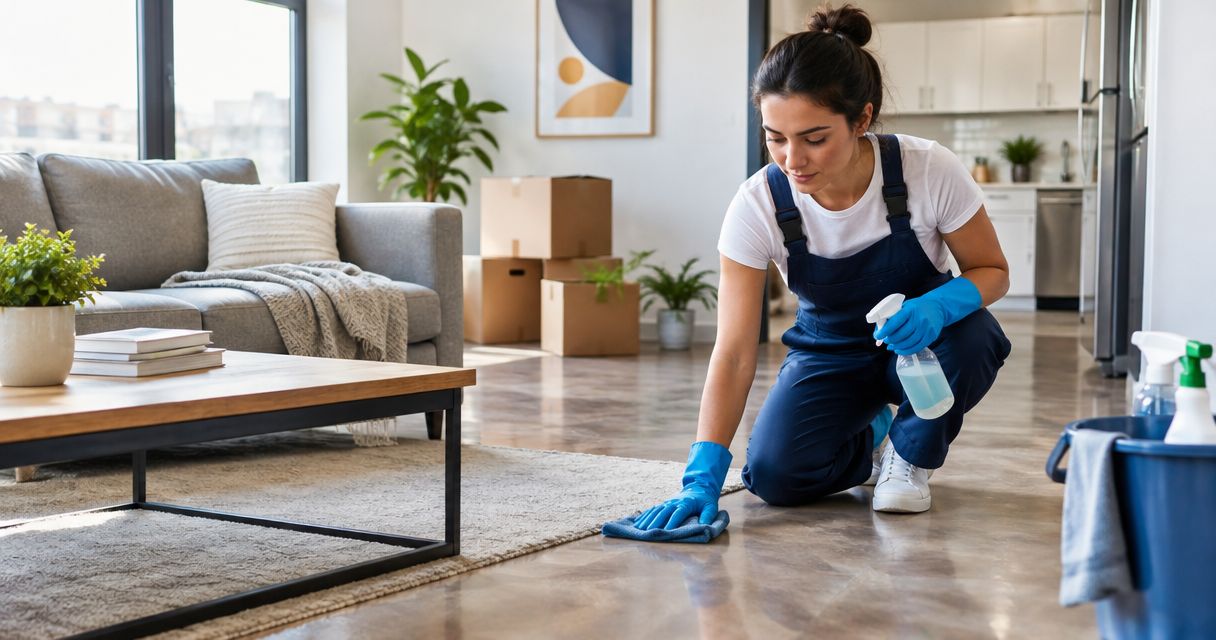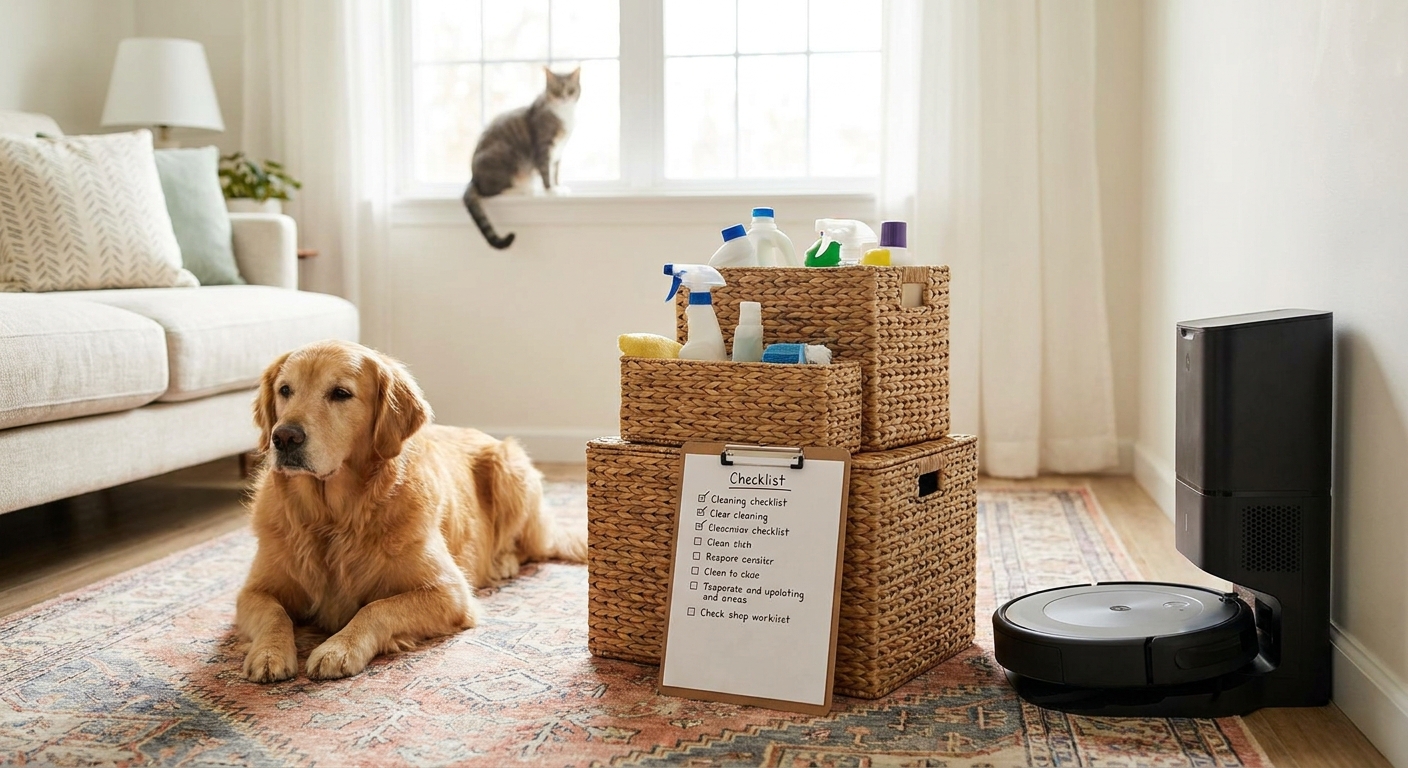
If you share your house with a dog, cat, or both, the mess doesn't wait for your calendar — so your cleaning schedule has to match the animal, not the other way around.
- The best cleaning schedule for pet owners pairs a 10-minute daily pet-hair reset with a bi-weekly professional clean for one or two shedding animals in 2026.
- Multi-pet or multi-kid households need weekly professional cleaning — daily tidying alone can't keep up with shedding season.
- Quarterly deep cleans that target dander and litter residue matter more for allergy sufferers than for anyone else under the roof.
- Porch and Parlor Cleaning's recurring plans for pet owners beat one-off deep cleans because shedding in Nashville never fully stops.
Why this matters
A good workman never blames his tools, but even the best vacuum can't save you if you're only running it once a month with a dog in the house. Pet hair, dander, and litter dust build up faster than most homeowners plan for, and by the time it's visible on the couch, it's already deep in the carpet fibers and the HVAC filter.
Nashville's humidity doesn't help either — it holds odor in fabric and grout longer than a drier climate would. That's why a recurring house cleaning for pet owners plan works better than sporadic deep cleans booked whenever the guilt kicks in.
In 2026, the households getting the best results aren't the ones cleaning the most — they're the ones cleaning on the right rhythm for their specific animal load.
How we ranked these schedules
Each tier below is ranked by how well it matches shedding volume, square footage, and allergy risk — the three factors that actually predict whether a home feels clean between visits. A single low-shedding cat in a one-bedroom condo has different needs than three dogs in a four-bedroom house with carpet throughout.
The ranking also weighs time-to-buildup: how fast pet hair and dander re-accumulate after a clean, based on general pet-care and indoor air quality guidance for 2026. Tiers that let buildup outpace the cleaning interval get downgraded, even if they sound reasonable on paper.
Every tier below ends with a verdict: Buy, Consider, or Skip for a given household type. None of them are one-size-fits-all, which is the whole point of ranking them separately.
The ranked cleaning schedule for pet owners
1. The daily 10-minute reset — the non-negotiable
This is a quick pass with a handheld vacuum or broom over high-traffic pet zones — the door mat, the food bowl area, the spot by the window where the dog naps. It takes 10 minutes a day in 2026 and it's the single habit that keeps hair from working itself into upholstery and rugs. Skipping this for even a week lets loose fur migrate under furniture where it's much harder to pull out later. Verdict: Buy — this is the baseline for every pet household, no exceptions.
2. The weekly deep vacuum and mop — the workhorse
A full-home vacuum pass plus mopping hard floors runs 45 to 60 minutes weekly. This is where you get under furniture, hit the baseboards, and actually pull hair out of carpet pile instead of just the surface. For a single low-shedding pet, this weekly pass paired with the daily reset can be enough on its own. Verdict: Buy for light-shedding, single-pet homes.
3. The bi-weekly professional clean — the sweet spot for one or two pets
Booking a professional team every two weeks covers what daily and weekly DIY habits miss: baseboards, vents, upholstery corners, and the grime that collects in grout near litter boxes or feeding stations. Porch and Parlor's bi-weekly cleaning for Nashville townhomes plan was built around this exact cadence for smaller footprints. One or two pets in a townhome or similar-sized home hits equilibrium at this interval — buildup doesn't outrun the clean, but you're not overpaying for frequency you don't need. Verdict: Buy for one to two pets in a mid-sized home.
4. The weekly professional clean — built for multi-pet, multi-kid houses
Once you're past two pets, or you've got pets plus young kids tracking mess through the house, bi-weekly starts losing the race against buildup. Weekly professional visits — like the weekly maid service for large families — reset the whole house before hair and dander compound. Households in this bracket that try to stretch to bi-weekly usually end up doing extra DIY cleaning in between anyway, which defeats the savings. Verdict: Buy for multi-pet or multi-pet-plus-kids households; Skip for a single indoor cat in a studio.
5. The quarterly deep clean — the dander and allergy reset
This one goes past the visible mess: vents, upholstery deep extraction, baseboards, and litter box areas get a full scrub four times a year. It targets dander, the microscopic protein that triggers most pet allergies, which a standard weekly or bi-weekly clean doesn't fully remove. If anyone in the house has allergy or asthma symptoms, this quarterly reset matters more than adding extra weekly visits. Verdict: Buy for allergy-sensitive households; Consider for everyone else as a seasonal add-on.
6. The recurring pet-owner plan — the one that ties it together
This is the umbrella option: a standing recurring schedule sized to your pet count and home size, instead of booking one-off cleans whenever things get bad. Porch and Parlor Cleaning's recurring plan for pet owners locks in the interval — bi-weekly or weekly — so buildup never gets ahead of the schedule. Homeowners who switch from occasional deep cleans to a recurring plan consistently report less hair on furniture between visits, because the interval is matched to the animal, not guessed at. Verdict: Buy — this is the schedule structure the rest of this list builds toward.
Book a pet-friendly cleaning schedule
Get a recurring plan sized to your pets and square footage.
Comparison table
| Schedule tier | Frequency | Best for | Time per visit | Verdict |
|---|---|---|---|---|
| Daily reset | Daily | Every pet household | 10 min | Buy |
| Deep vacuum and mop | Weekly | Single, low-shedding pet | 45-60 min | Buy |
| Professional clean | Bi-weekly | 1-2 pets, mid-size home | 2-3 hrs | Buy |
| Professional clean | Weekly | 3+ pets or pets plus kids | 2-4 hrs | Buy |
| Dander and allergy reset | Quarterly | Allergy or asthma in the home | Half-day | Buy |
| Recurring pet-owner plan | Ongoing | Anyone tired of guessing | Varies | Buy |
Where to book: three sourcing rules
- Match frequency to pet count, not house size. A big house with one cat needs less than a small house with two dogs — size matters less than the animal load.
- Book recurring, not reactive. One-off deep cleans cost more per visit and always start from a worse baseline than a maintained recurring schedule.
- Prep before the crew arrives. Put pets in a separate room and clear obvious clutter — the guide on preparing your home for a professional cleaning service covers the five-minute version of this.
FAQ
What's the best cleaning schedule for pet owners?
The best cleaning schedule for pet owners in 2026 pairs a daily 10-minute pet-hair reset with a bi-weekly professional clean for one or two pets, or a weekly professional clean for three or more. Households with allergy sensitivity add a quarterly dander-focused deep clean on top.
Is bi-weekly or weekly cleaning better for dog owners?
Bi-weekly works for one or two dogs in a mid-sized home, but weekly is better once you have three or more pets or heavy shedding breeds. The deciding factor is whether hair and dander build back up faster than the interval allows.
How much does a pet-friendly house cleaning cost?
Cost depends on home size, pet count, and how often you book, so check current pricing directly through the booking site for an accurate quote. Recurring plans typically run less per visit than one-off deep cleans.
Do I need to be home during a pet-friendly cleaning?
You don't have to be, but many pet owners prefer to be home or leave pets in a separate room during the visit. This keeps anxious animals calmer and lets the crew move through the whole house without interruption.
How often should I deep clean for pet dander?
A quarterly deep clean targeting vents, upholstery, and litter areas is the standard interval for dander control in 2026. Households with allergy or asthma symptoms sometimes move this to every eight weeks instead.
Does a recurring cleaning plan really beat one-off deep cleans?
Yes — a recurring plan sized to your pet count keeps buildup from ever reaching the level that requires an expensive one-off deep clean. Homeowners on recurring schedules report less visible hair between visits because the interval is set ahead of the mess, not in reaction to it.
What's the difference between weekly and bi-weekly for cat owners?
A single indoor cat with light shedding usually does fine on a bi-weekly professional schedule paired with weekly DIY vacuuming. Multiple cats or a heavy-shedding breed push most households toward weekly professional visits instead.
Can professional cleaners handle litter box areas?
Most professional cleaning services will clean around and near litter box areas, including nearby floors and baseboards, but scooping and box maintenance stays with the homeowner. Confirm the exact scope when booking.
One last thing
The corner where the litter box sits gets skipped more than any other spot in a pet owner's cleaning routine — not because people forget it, but because it's easy to clean around it instead of under it. Pull the box out fully during your weekly pass at least once a month; that's where the real buildup hides.