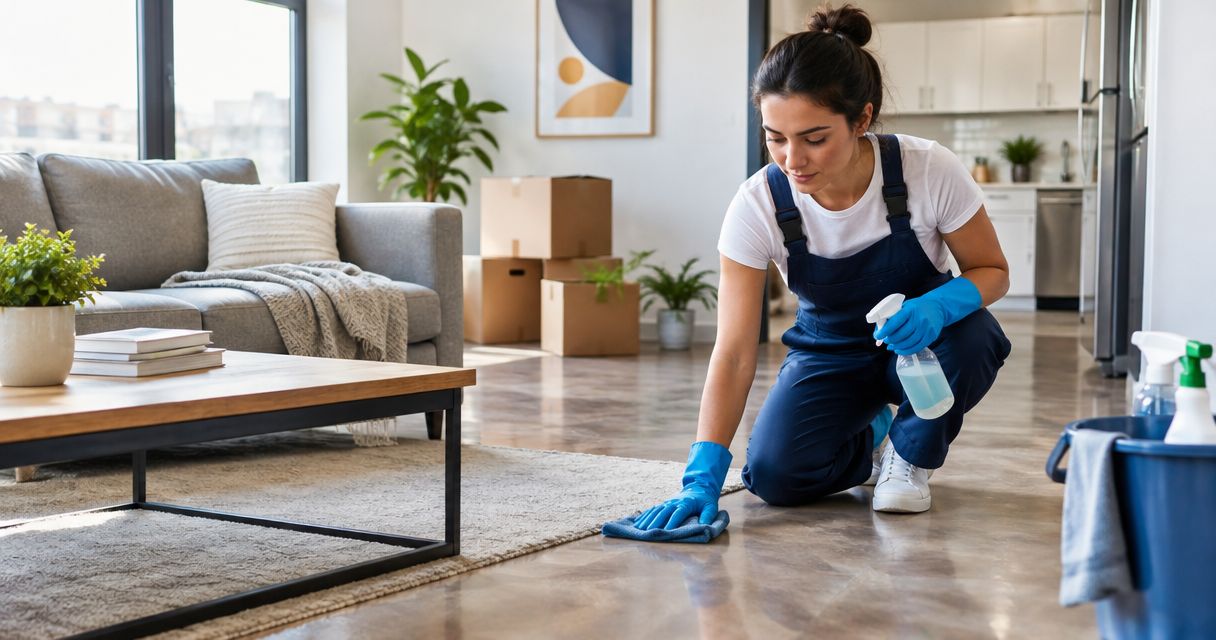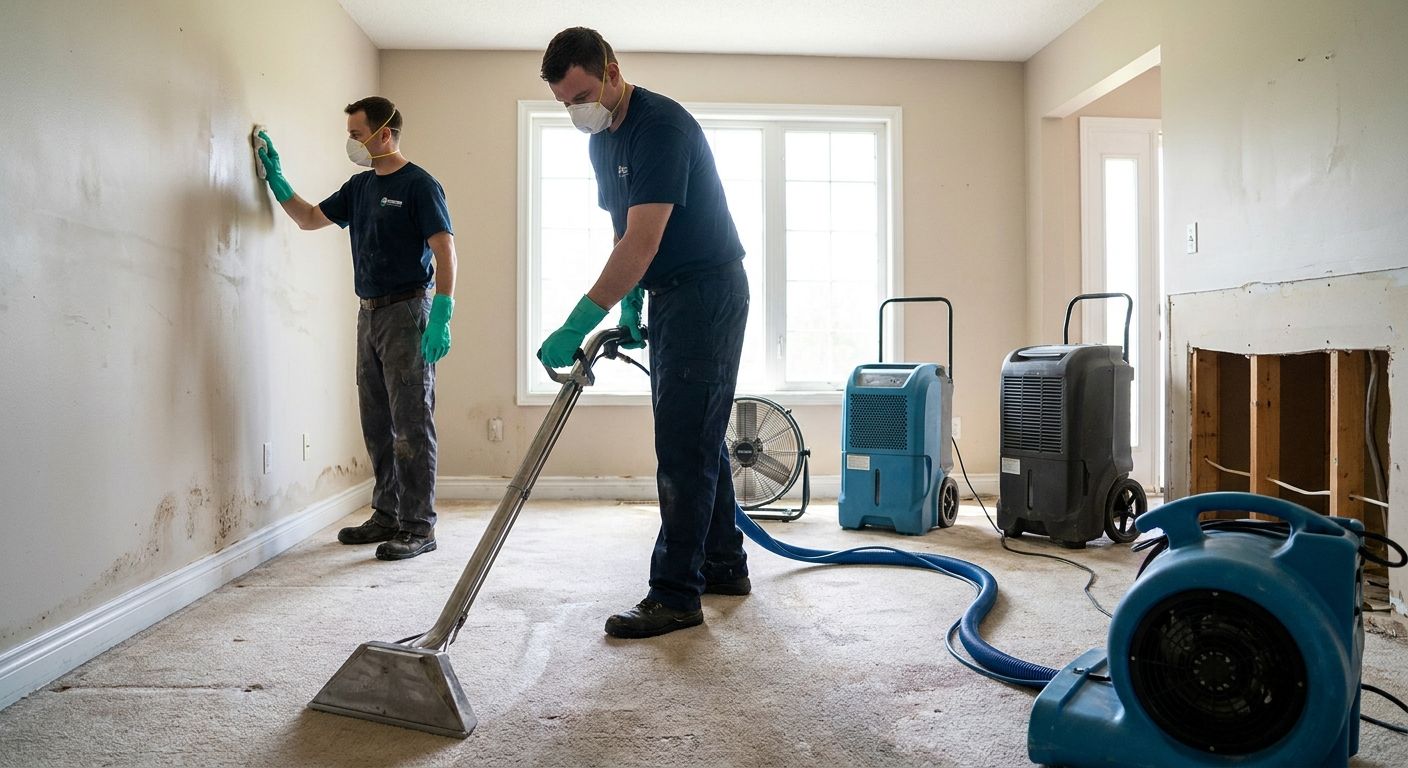
Water damage turns a normal Tuesday into a full-blown project: fans running, dehumidifiers humming, and dust from drywall repair settling into every surface you own. Once the water is gone and the structural fix is done, the house still needs a real clean before it feels like yours again — that's the gap this guide covers.
- House cleaning after water damage needs sanitizing, not just wiping — buy the deep clean, skip the quick tidy.
- Finished basements and post-construction dust are the two trouble spots most homeowners underestimate in 2026.
- Mold risk starts within 24-48 hours of moisture exposure, so timing your cleaning matters as much as the method.
- Porch and Parlor Cleaning handles the post-restoration deep clean for Nashville-area homes once repairs wrap up.
Why this matters
Restoration companies dry the structure and fix the leak. They don't typically scrub the baseboards, wipe down cabinet interiors, or clear drywall dust out of your air vents. That's a separate job, and skipping it is how homeowners end up with a musty smell six weeks later even though the "damage" is technically fixed.
House cleaning after water damage is really about two things: getting ahead of mold before that 24-48 hour window closes, and clearing out the fine dust and grit that restoration work leaves behind. A house cleaning service that treats this like a standard tidy-up is going to miss both.
Who this is for
This is written for Nashville-area homeowners who just had a pipe burst, a water heater fail, a roof leak, or a flooded basement handled by a restoration crew — and now need the house scrubbed and livable again. It's also useful if you're mid-renovation after water damage and the drywall dust is competing with lingering moisture smell for your attention. If your "water damage" was a small spill you mopped up in ten minutes, you don't need any of this — grab a towel and move on.
What to look for in house cleaning after water damage
Timing relative to the drying process
Don't schedule a deep clean while fans and dehumidifiers are still running — you're just cleaning around equipment and re-collecting dust that hasn't finished settling. Wait until the restoration crew confirms moisture readings are back to normal, then book the clean within a few days. That window matters because damp drywall and studs left uncleaned past 48 hours are where mold gets a foothold.
Dust and debris handling
Drywall cuts, insulation removal, and flooring repair leave a fine dust that regular vacuuming pushes around instead of removing. Look for a cleaning approach that includes HEPA-filter vacuuming and wipe-downs of vents, not just a surface pass with a duster. This is the single biggest difference between a standard clean and one built for post-restoration work.
Sanitizing, not just wiping
Anywhere water sat — baseboards, cabinet toe-kicks, closet floors — needs an actual disinfecting pass, not a damp cloth. Gray water and black water categories (per the IICRC's water damage classification) carry more contaminants than a clean-water leak, so the cleaning intensity should match what actually flooded.
Odor source elimination
Masking a musty smell with air freshener is a temporary fix that tells you nothing got actually cleaned. A real post-water-damage clean targets the source — damp fabric, trapped moisture in cabinetry, forgotten rugs — instead of covering it up.
Floor and baseboard treatment
Hardwood, tile, and carpet all react differently to water exposure, and each needs a different follow-up. Baseboards especially trap grit along the water line and get skipped in a rushed clean.
Flexibility for a second visit
Some water damage reveals more mess a week later once everything's fully dry — a follow-up option matters more here than in a routine clean.
Top picks for water damage cleanup
The basement specialist — Buy. If the water damage hit a finished basement, this is the pick that matters most. Basements trap humidity longer than any other room in the house, and a finished basement cleaning approach accounts for that by focusing on baseboards, carpet edges, and low-airflow corners where moisture lingers. Verdict: Buy if your basement took on any water at all.
The renovation cleanup — Buy. When water damage required drywall repair, flooring replacement, or cabinet work, you're not just dealing with moisture — you're dealing with construction dust on top of it. A post-construction cleaning checklist covers the HEPA vacuuming and detail wipe-downs that a standard clean skips entirely. Verdict: Buy for any repair that involved cutting drywall or replacing flooring.
The vetting move — Consider. Before you hand your house over to anyone after a stressful restoration process, it's worth knowing what to check before hiring a cleaning company — insurance, experience with post-restoration jobs, and what products they use around damp drywall. Verdict: Consider this step non-negotiable if you're hiring someone new rather than a company you already trust.
The DIY wipe-down — Skip. Running a mop over the floors and calling it done might feel productive, but it leaves dust in vents, grit in baseboard corners, and moisture trapped in spots you can't see without moving furniture. Fine for a coffee spill. Not fine for a burst pipe. Verdict: Skip if the damage involved more than a few square feet.
Book your post-water-damage clean
Get a Nashville-area cleaning scheduled once repairs are done.
What to avoid
- A single deep clean with no follow-up. Moisture that seemed dry can reappear a week later once trapped pockets finish evaporating — plan for a second look.
- Scented sprays instead of sanitizing. A good workman never blames his tools, but the wrong tool here — a can of air freshener — won't fix a mold problem, it'll just hide it until it's worse.
- Skipping vents and HVAC returns. Drywall dust gets pulled into the system and recirculated through the house for weeks if nobody wipes down the returns.
Verdict comparison
| Criteria | Basement specialist | Renovation cleanup | Vetting move | DIY wipe-down |
|---|---|---|---|---|
| Handles dust from repairs | Yes | Yes | N/A | No |
| Sanitizes damp areas | Yes | Partial | N/A | No |
| Addresses odor at source | Yes | Partial | N/A | No |
| Follow-up flexibility | Yes | Yes | N/A | No |
| Verdict | Buy | Buy | Consider | Skip |
FAQ
How soon should I clean the house after water damage?
Clean within a few days of the restoration crew confirming the area is fully dry, ideally before the 24-48 hour mold risk window closes. Cleaning too early, while fans and dehumidifiers are still running, just recirculates dust and moisture.
Is regular house cleaning enough after a water leak?
No, a standard clean skips the sanitizing and dust removal that post-water-damage situations need. Baseboards, vents, and low-airflow corners need targeted attention that a routine tidy-up doesn't cover.
How much does house cleaning after water damage cost in 2026?
Cost depends on the size of the affected area and whether construction dust is involved on top of water cleanup. Check current pricing directly with a Nashville-area cleaning service for an accurate quote based on your situation.
What's the difference between water damage cleaning and post-construction cleaning?
Water damage cleaning focuses on moisture, odor, and sanitizing damp surfaces, while post-construction cleaning focuses on dust and debris from repair work. Many water damage jobs in 2026 need both, especially when drywall or flooring was replaced.
Can mold grow even after professional water damage restoration?
Yes, restoration dries the structure but doesn't always sanitize every surface where moisture sat. A dedicated post-restoration clean targeting baseboards and cabinet interiors closes that gap.
Should I clean the basement differently after water damage?
Yes, basements hold humidity longer than any other room, so carpet edges, corners, and baseboards need extra attention. A finished basement approach accounts for that lower airflow.
How do I know if my cleaning company can handle post-water-damage work?
Ask about their experience with post-restoration jobs and what products they use around still-drying materials before booking. Vetting this upfront in 2026 saves a second cleanup call later.
One last thing
The detail most homeowners miss in 2026 isn't the visible water stain — it's the HVAC return vent nobody thinks to check. Dust from drywall repair gets pulled through the system and settles right back onto every surface you just cleaned, so wiping down vents and swapping the filter is the cheapest step that makes the rest of the clean actually stick.