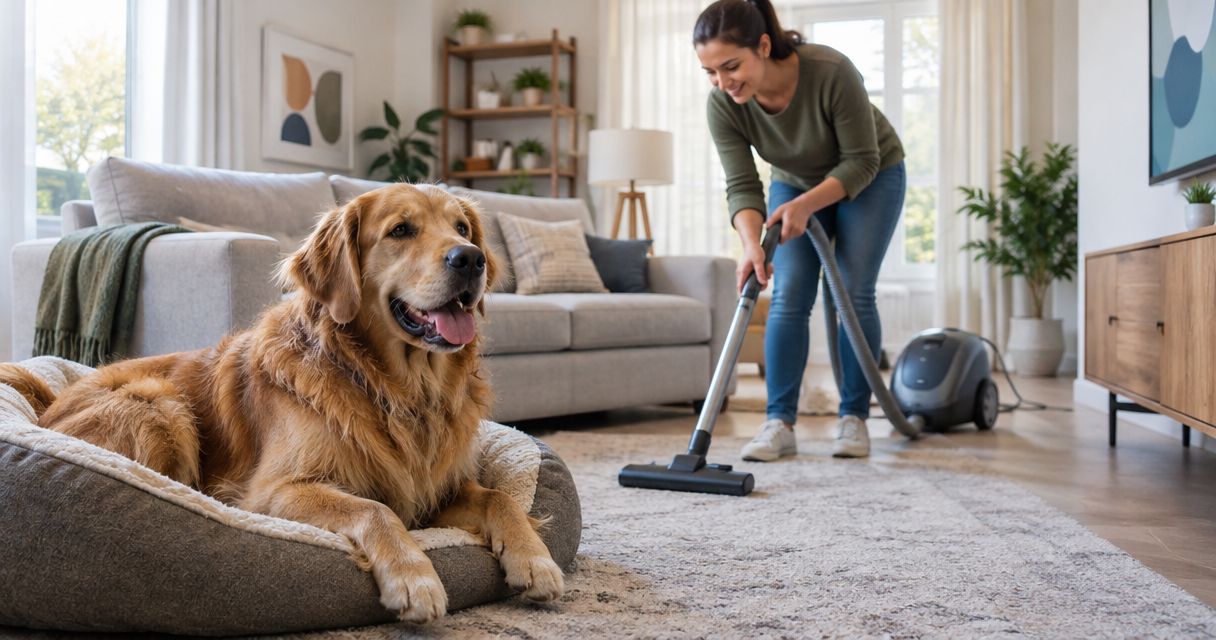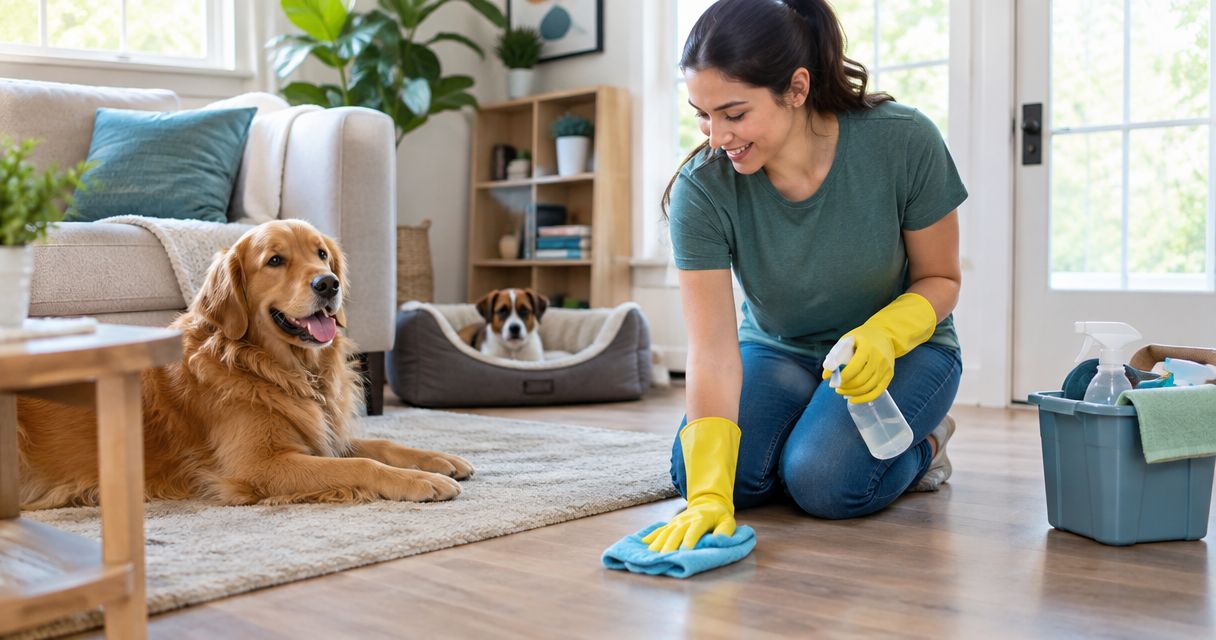
Home-based pet sitters’ house cleaning is the routine care of a home used around animal-care work, with the aim of keeping living spaces clean and ready for clients. This 2026 guide covers fur, muddy entrances, bedding, cleaning products, and scheduling—without treating your house like a commercial kennel.
- House cleaning for pet sitters works best when daily pet cleanup and whole-home cleaning have separate checklists.
- Porch and Parlor Cleaning offers residential cleaning for greater Nashville homeowners; confirm the scope for pet-sitting spaces.
- Keep animals away from cleaning products and wet surfaces, following every product label before allowing access.
- Dog walkers who never host animals need a different cleaning routine from sitters who board pets at home.
Why house cleaning matters for home-based pet sitters
Your cleaning routine depends on where the animals actually go. If you walk dogs at clients’ homes, concentrate on the shoes, bags, and washable gear you bring back. If you host animals, add their sleeping areas, feeding spaces, and routes through your home.
Separate routine household cleaning from animal-care sanitation. A tidy living room does not establish that shared pet equipment has been cleaned appropriately. Likewise, washing dog bedding does not tackle the dust sitting on your bathroom shelves.
Start with how to keep your home clean with pets, then adapt the routine to your work. A resident dog and a changing roster of visiting dogs create different cleaning tasks. The goal is a repeatable process, not a frantic vacuuming session when a client pulls into the driveway.
Build your pet-sitter cleaning routine
1. Map the spaces animals actually use
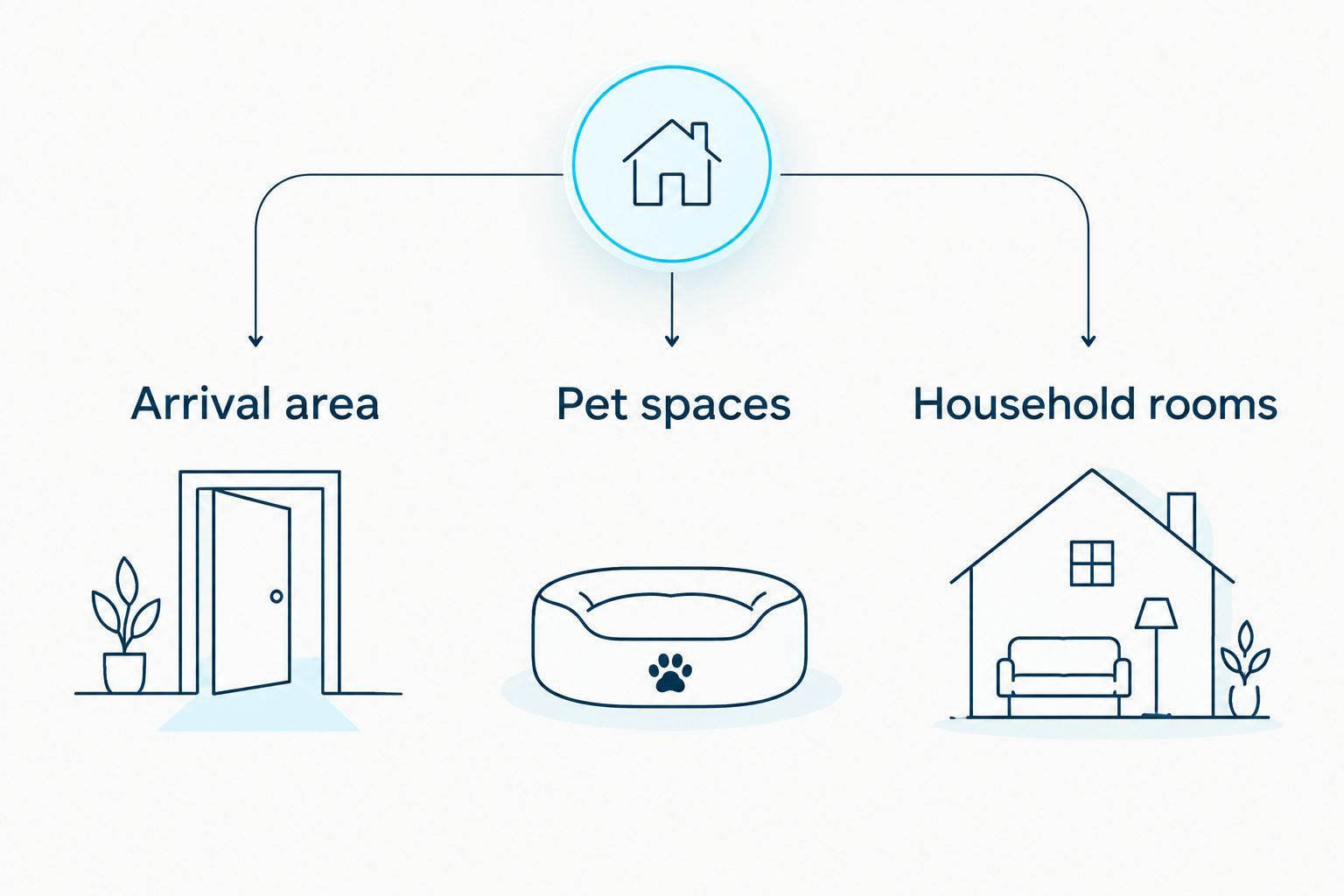
Walk through your home before choosing a schedule. Divide it into 3 zones: Arrival area, Pet spaces, and Household rooms. These are planning categories, not a rule that every home needs separate rooms.
The Arrival area catches outdoor dirt and equipment. Pet spaces include wherever animals eat, rest, or play. Household rooms cover the kitchen, bathrooms, bedrooms, and other spaces that still need ordinary cleaning. Mark any overlap, especially when pets sleep on your sofa or pass through the kitchen.
For a dog walker who does not host animals, Pet spaces might simply mean storage for washable gear. Don't build a boarding-house checklist for a business that happens mostly outdoors.
Keep your map simple enough to update when your setup changes:
- Identify the door used for pet drop-offs and returns.
- Mark feeding, sleeping, and indoor play locations.
- Note rugs, upholstery, and other surfaces that collect hair.
- Identify rooms animals must not enter.
- Store work gear away from food-preparation surfaces.
2. Reset the entrance after muddy returns
Handle incoming dirt at the entrance rather than chasing it through the house. Put washable towels and suitable storage within reach, while keeping cleaning chemicals out of animals’ reach. A towel buried under your winter coats is technically present, but not terribly helpful.
Remove loose dirt from the floor before damp cleaning, using a method appropriate for the floor finish. Follow the flooring manufacturer’s care instructions rather than assuming every hard floor tolerates the same cleaner or amount of water.
If dogs remain at clients’ homes, your own footwear and equipment become the focus. Keep used towels separate from clean ones, and give wet gear somewhere appropriate to dry. This is about controlling the mess you bring home, not adding a full-house scrub after every walk.
- Keep clean paw towels beside the arrival door.
- Collect used towels in a designated washable container.
- Remove muddy footwear before entering household rooms.
- Clean visible soil from washable equipment as its instructions allow.
- Let cleaned surfaces dry before reopening the area.
3. Separate your tasks from a cleaner’s scope
Write your own checklist first, using a notebook or phone note. Put pet supervision, immediate accident cleanup, feeding equipment, and bedding changes on the animal-care side. Put agreed household tasks on a separate list you can discuss with a cleaning company.
Porch and Parlor Cleaning is best for greater Nashville homeowners seeking residential cleaning with online booking. Its residential service does not establish that boarding areas, animal waste, or specialized sanitation fall within the work. Confirm those details rather than treating them as included.
For your 2026 plan, review the residential cleaning services and explain how you use the home. Delegating agreed household cleaning removes work from your list; preparing the space and managing the animals remain separate responsibilities unless expressly agreed otherwise.
- Describe whether visiting animals stay in your home.
- Identify rooms used for paid pet-care work.
- Ask about pet hair, upholstery, and any excluded tasks.
- Confirm who provides supplies and approves products.
- Agree on animal separation and access arrangements.
4. Remove hair before wet-cleaning surfaces
Deal with loose hair before wiping or mopping. Otherwise, you risk turning a manageable tumbleweed into a damp clump that follows the mop around like an unpaid assistant.
Use tools suited to each surface. Check upholstery care instructions before applying moisture, and use the appropriate vacuum attachment rather than dragging a floor head across delicate fabric. Work from higher surfaces down so fallen debris does not land on a freshly cleaned floor.
Treat a persistent smell as a reason to find the source, not to add fragrance. Inspect bedding, washable covers, and places where an accident happened. If odor remains in carpet or upholstery, assess whether the material needs specialist treatment instead of repeatedly wetting it.
- Pick up toys and loose gear before vacuuming.
- Remove hair from permitted upholstery and washable covers.
- Vacuum edges and accessible spaces around resting areas.
- Damp-clean suitable hard floors after removing loose debris.
- Check and maintain cleaning equipment according to its instructions.
5. Clean bedding and feeding areas between users
Give each visiting animal identifiable belongings and follow the owner’s instructions. If you supply shared washable items, clean them appropriately before another animal uses them. Do not assume a quick shake outside counts as washing.
Keep food bowls and bedding on their own care lists. Their cleaning needs differ from those of your dining table or hallway floor. Follow item labels for washing and drying, and replace damaged items that no longer clean properly.
For your 2026 checklist, distinguish cleaning from disinfecting. Cleaning removes dirt; disinfecting uses a suitable product to kill specified germs when applied as directed. Suspected infectious illness calls for veterinary guidance and a specific plan, not simply a stronger-smelling household cleaner.
- Keep each animal’s belongings clearly identifiable.
- Remove hair and debris before laundering washable bedding.
- Follow washing and drying instructions for each item.
- Clean feeding equipment separately from floor-cleaning tools.
- Store clean bedding away from used towels and outdoor gear.
6. Check labels and control animal access
Read the label before using a cleaning product around animals. Check the intended surface, directions, warnings, dilution instructions, and any rinsing or re-entry requirements. A pleasant scent is not a safety instruction.
When disinfection is needed, follow the label’s contact time: the surface must remain wet for the specified period. Do not invent a universal waiting time for pets. Products and applications differ, and drying alone does not replace any required rinsing.
Never mix cleaning products. In particular, mixing bleach with ammonia or acids creates hazardous gases. Keep containers in their original packaging, secure them away from animals, and follow ventilation directions. If an animal has a suspected exposure, contact a veterinarian promptly and have the product label available.
- Choose products intended for the surface and task.
- Measure dilution exactly when the label requires it.
- Keep animals away throughout application and required waiting periods.
- Complete any required rinsing before reopening the area.
- Put products away before bringing animals back.
7. Schedule around animal movement, not just weekdays
Build your 2026 cleaning calendar around departures, arrivals, walks, and household use. A freshly mopped hallway is not much use if the next dog comes through it with muddy paws.
Start with a 7-day observation log. Record where hair gathers, when towels run out, and which tasks get postponed. This is a planning exercise, not a claim that every sitter needs the same cleaning frequency. Use the log to place routine household work where it fits.
Before a professional visit, arrange secure separation for every animal present. Give clear access instructions and tell the cleaner which doors or gates must remain closed. Don't assume a cleaner can supervise unfamiliar animals while carrying equipment or moving between rooms.
- Record mess and unfinished tasks for 7 days.
- Place entrance resets after walks and outdoor play.
- Schedule bedding changes around animal departures.
- Arrange household cleaning when affected rooms can stay clear.
- Review the plan after changes in bookings or animal access.
Compare cleaning options for your home
Choose the approach by the work you need covered, not by the longest checklist. For 2026, a useful decision starts with separating everyday pet-care tasks from household cleaning and specialist work.
| Option | Best for | Main advantage | Key limitation |
|---|---|---|---|
| DIY household cleaning | Walkers with limited pet-related mess at home | Direct control over timing, products, and priorities | All cleaning time stays on your calendar |
| DIY pet care plus professional household cleaning | Sitters balancing animal care with ordinary home upkeep | Separates daily animal responsibilities from agreed household tasks | Requires clear boundaries and preparation |
| Occasional professional household cleaning | A defined household reset or neglected areas | Concentrates help on an agreed list | Does not replace ongoing pet cleanup |
| Specialist cleaning or veterinary-directed sanitation | Persistent material problems or suspected infectious illness | Matches the response to a specific problem | Requires assessment; ordinary residential cleaning is not a substitute |
Porch and Parlor Cleaning offers the residential cleaning component for greater Nashville homeowners. Confirm whether your proposed work fits that scope before booking. Do not treat this guide as confirmation that any provider accepts animal-care business areas or specialist work.
Best for mixed-use homes: keep daily animal care in your own routine and delegate only clearly agreed household tasks. That division avoids gaps where everyone assumes someone else handled the dog bed.
Plan your household cleaning
Describe your home's pet-care setup and confirm the residential cleaning scope before booking.
Common mistakes home-based pet sitters make
Treating household cleaning as kennel sanitation
Residential cleaning and animal-care sanitation are different jobs. If animals share equipment or an illness is suspected, obtain appropriate veterinary guidance and confirm what work a cleaner accepts. A spotless counter does not answer those questions.
Scheduling cleaning during a crowded handoff
Avoid combining cleaner arrival, pet pickup, and new-animal introductions. Set a workable access plan beforehand, including where animals will stay and which doors remain closed. Your front door should not become a group project.
Using scent to judge cleanliness
Find the source of odor before adding fragrance. Check washable items and previously soiled materials, and follow their care instructions. A room that smells strongly of cleaner still needs inspection for dirt and residue.
Assigning unclear responsibility for pet items
Specify who handles bowls, bedding, toys, and accidents. If you ask Porch and Parlor Cleaning about house cleaning for pet sitters, describe those tasks individually instead of assuming the phrase includes them all.
Choosing frequency without watching the mess
Judge your schedule against actual household conditions. Review the entrance, resting areas, and unfinished tasks before adding or reducing visits. A calendar reminder is useful; a calendar reminder attached to the right task is better.
FAQ
What's the best house cleaning routine for a home-based pet sitter?
The best routine separates daily pet-care cleanup from scheduled household cleaning. Map where animals go, clean visible mess promptly, and give bedding, feeding equipment, and household rooms their own checklists.
Do dog walkers need professional house cleaning?
Dog walking alone does not establish a need for professional house cleaning. If animals never enter your home, focus on footwear, towels, and work equipment, then choose household cleaning help around your own needs.
Can a house cleaner clean my home while I am boarding dogs?
Confirm that arrangement with the cleaning company before booking. Explain the animal count, room use, access arrangements, and proposed tasks, and arrange secure separation during the visit.
Is a pet-friendly cleaning product safe as soon as it dries?
Follow the specific product label rather than assuming drying makes every application safe. Complete any required rinsing, ventilation, and waiting periods before allowing animals back.
Will professional house cleaning remove every pet odor?
Professional household cleaning does not guarantee removal of every pet odor. Persistent smells require finding the source, and affected carpet or upholstery needs assessment for suitable treatment.
Should I disinfect every room after every visiting dog?
Do not adopt blanket disinfection without considering the task and appropriate animal-health guidance. Clean routine dirt, follow product labels when disinfection is needed, and ask a veterinarian about suspected infectious illness.
Does Porch and Parlor Cleaning offer residential cleaning near Nashville?
Porch and Parlor Cleaning offers professional residential cleaning for homeowners in the greater Nashville area with online booking. Confirm the scope before requesting work in spaces used for paid pet care.
One last thing
Test your next cleaning checklist against a muddy return, not a quiet afternoon. Picture yourself arriving with wet equipment while an owner waits at the door. Can you reach a clean towel, separate the used gear, and keep animals away from a wet floor?
If not, fix that bottleneck before adding more chores. A simple setup you can use during a busy handoff beats an impressive checklist sitting untouched on the fridge.