Dust bunnies aren't just gross to look at — they're allergen factories, and a regular cleaning routine is one of the few things that actually knocks pollen, pet dander, and dust mites down to a manageable level in your Nashville home.
- Weekly vacuuming with a HEPA filter cuts airborne dust mite allergen buildup between cleanings.
- Washing bedding in hot water (130F+) weekly kills dust mites that trigger allergy flare-ups.
- Porch and Parlor Cleaning's deep cleaning for allergy and asthma relief targets the spots DIY cleaning skips.
- Keeping indoor humidity under 50% is the single biggest lever against dust mites and mold spores in 2026.
Why this matters
Indoor air can carry more allergen particles than outdoor air, especially in homes with carpet, pets, or older HVAC systems that haven't had a filter change in a while. Dust mites, pet dander, mold spores, and pollen tracked in on shoes all settle into fabric, vents, and corners — and they don't leave on their own.
A good workman never blames his tools, but when it comes to allergens, your tools (and your schedule) matter more than most people think. Running a vacuum once a month when you think about it isn't a cleaning routine, it's a coin flip. The homes that see real allergy relief in 2026 are the ones treating cleaning like a system, not a chore you get to eventually.
If allergens are a chronic issue in your house, a full Porch and Parlor Cleaning visit resets the baseline before you start maintaining it yourself — that's the order that actually works.
What you'll need
- A vacuum with a HEPA filter (captures particles down to 0.3 microns — regular vacuum bags just push dust back into the air)
- Microfiber cloths (they trap dust instead of scattering it, unlike feather dusters)
- A steam mop or damp mop for hard floors
- Hot water and detergent for bedding (130F kills dust mites; cold water doesn't)
- A dehumidifier or working AC system to keep indoor humidity under 50%
- HVAC filters rated MERV 11 or higher, replaced every 60-90 days
- 20-30 minutes per room, twice a week minimum, more if you have pets
The steps
1. Vacuum every carpet, rug, and upholstered surface weekly
Carpet fibers hold onto dust mite waste and pet dander like a sponge, and regular foot traffic kicks it back into the air you breathe. Run a HEPA-filter vacuum over every carpeted room, plus couches and cushions, at least once a week. Go slow — two passes per section, not one quick sweep — because dust mite allergen sits deep in the pile. Common mistake: vacuuming fast in one direction only stirs surface dust without lifting what's embedded.
2. Wash bedding and soft furnishings in hot water weekly
Your bed is prime real estate for dust mites — they feed on skin flakes and thrive in the warm, humid environment a mattress creates overnight. Wash sheets, pillowcases, and blankets in water at 130F or higher once a week; cooler water leaves mites and their waste intact. Common mistake: using scented fabric softener, which can irritate airways in people already sensitive to allergens.
3. Damp-dust hard surfaces instead of dry-dusting
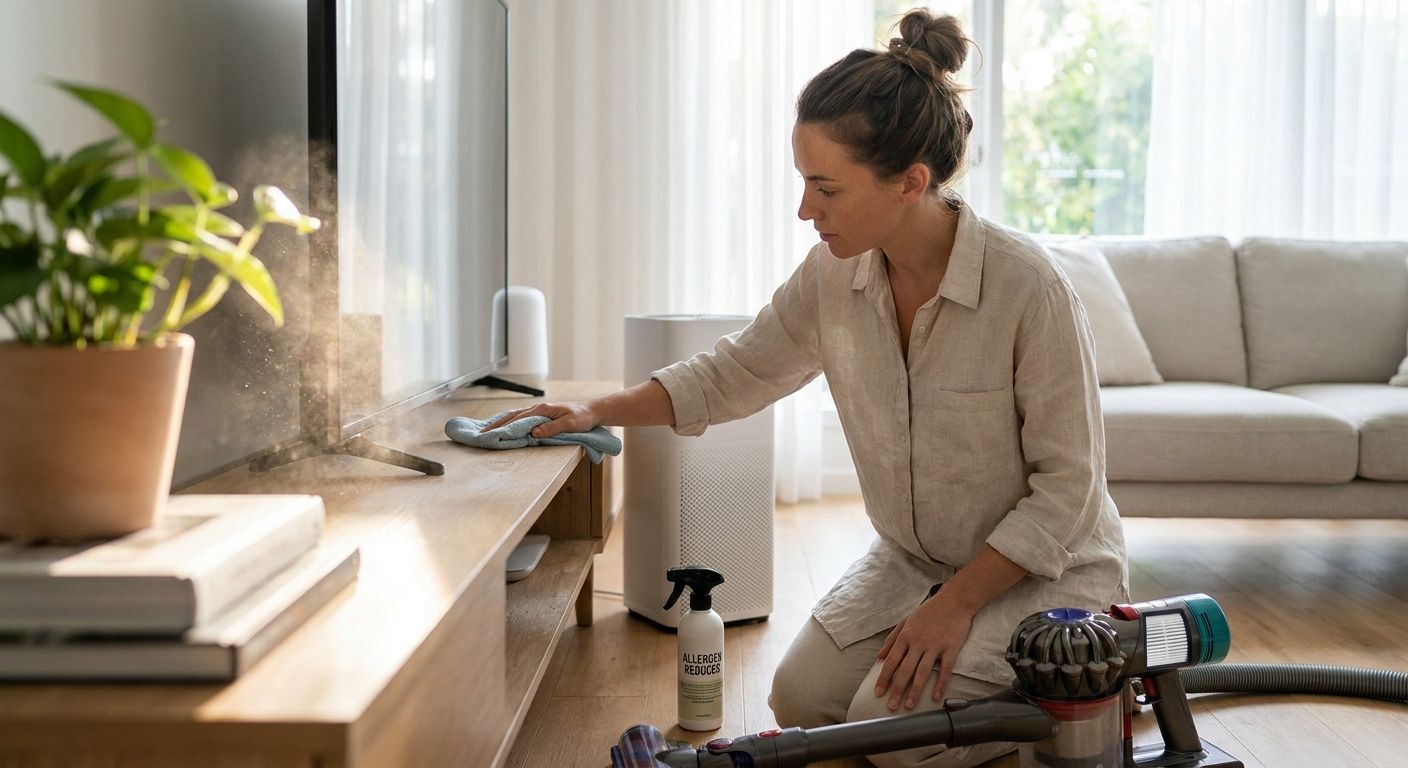
Dry dusting just relocates particles from the shelf to the air, where you then inhale them. Use a slightly damp microfiber cloth on shelves, blinds, baseboards, and electronics to trap dust instead of launching it. Do this twice a week in high-traffic rooms like the living room and bedrooms. Common mistake: skipping ceiling fans and vent covers, which collect visible dust that falls every time the fan runs.
4. Keep indoor humidity below 50 percent
Dust mites and mold both need moisture to survive, and Nashville's humid summers make this step non-negotiable. Run a dehumidifier or set your AC to a humidity-control mode, and check bathrooms and basements specifically since they trap moisture longest. Common mistake: relying on an open window for ventilation, which invites more pollen in during high-count seasons.
5. Replace HVAC filters every 60-90 days and clean vents
Your HVAC system recirculates whatever's floating in your air, so a clogged filter just keeps redistributing allergens room to room. Swap in a MERV 11 or higher filter every two to three months, and vacuum the vent covers themselves during your weekly cleaning pass. Common mistake: buying the cheapest filter available, which lets smaller allergen particles pass straight through.
6. Declutter surfaces so allergens have fewer places to hide
Every stack of mail, pile of books, or decorative throw pillow is another surface collecting dust between cleanings. Clear countertops and shelves down to what you actually use, which cuts your cleaning time and gives dust fewer landing spots. Common mistake: leaving decorative clutter because it looks nice when it's actually doubling your dusting workload.
7. Schedule a deep clean quarterly, not just surface cleaning weekly
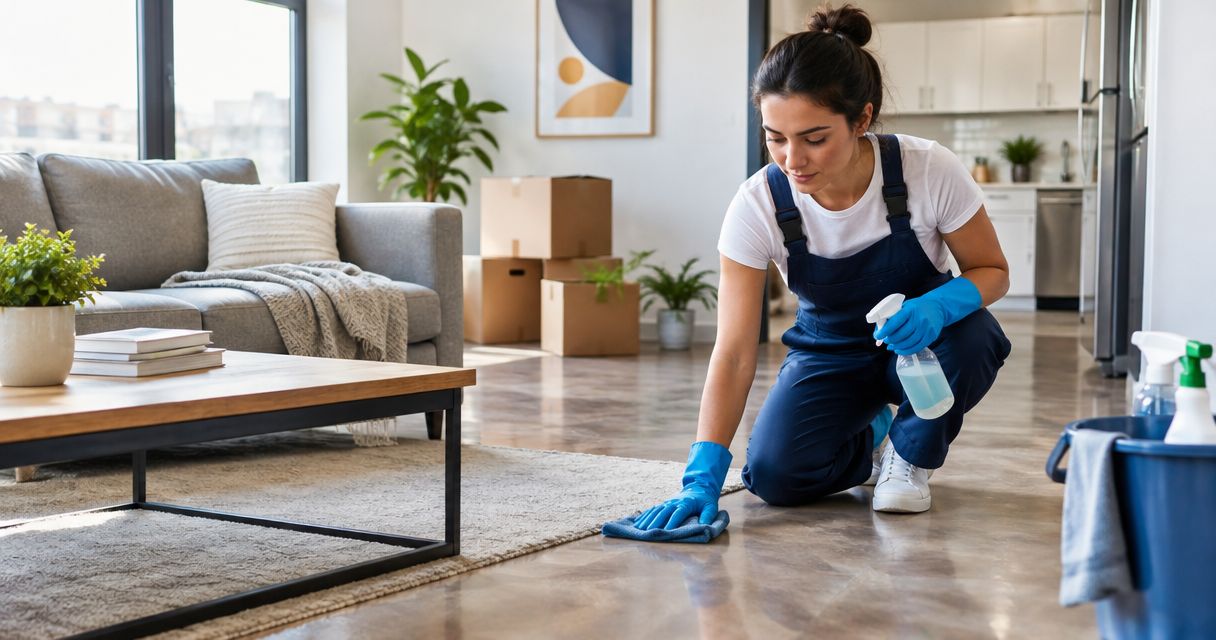
Weekly maintenance handles the surface layer, but allergens build up in places your regular routine skips — under furniture, inside vents, behind appliances. A deep cleaning for allergy and asthma relief handles those spots professionally a few times a year so your weekly routine isn't fighting an uphill battle. Common mistake: assuming weekly vacuuming alone is enough — it maintains a baseline, it doesn't reset one.
Reset your home's allergen baseline
Book a Nashville cleaning that targets dust, dander, and hidden buildup.
Troubleshooting
- Still sneezing after vacuuming weekly? Check your vacuum's filter — if it's not a true HEPA filter, you're likely recirculating fine particles instead of trapping them.
- Allergies worse in one specific room? That room probably has the humidity problem — check for a leaky window, damp closet, or lack of airflow.
- Pets making everything worse? Dander sticks to fabric and floats for hours after a pet walks through a room; a routine built around keeping your home clean with pets handles this differently than a pet-free household's schedule.
- Mold smell in the bathroom or basement? That's a humidity and ventilation issue, not a cleaning-product issue — no amount of scrubbing fixes air that's staying above 60% humidity.
- Seasonal spikes every spring? Pollen tracked in on shoes and pet paws settles into entryway rugs fastest — clean that zone twice as often during high-pollen months.
- Cleaning but symptoms not improving? Give it three to four weeks of consistent effort before troubleshooting further — allergen levels drop gradually, not overnight.
Tools and resources
- HEPA-filter vacuum (non-negotiable for allergen control)
- Microfiber cloths, several on rotation
- Dehumidifier or humidity-controlling AC setting
- MERV 11+ HVAC filters
- A cleaning calendar — weekly light cleaning, quarterly deep cleaning
What to do next
Once your allergen routine is running, the next question is frequency — too little and allergens creep back, too much and you're burning weekends on chores that could be handled on a schedule. A look at maintaining a clean home between cleanings breaks down exactly what to do on the days a professional isn't in your house.
FAQ
How often should you clean to reduce allergens?
Vacuum and dust weekly, wash bedding weekly in hot water, and schedule a deep clean quarterly. Weekly cleaning maintains a baseline; the quarterly deep clean resets buildup in spots regular cleaning misses.
What kind of vacuum is best for allergies?
A vacuum with a true HEPA filter is best because it captures particles down to 0.3 microns instead of recirculating them. A vacuum without HEPA filtration can actually make airborne allergen levels worse.
Does professional house cleaning help with allergies?
Yes. Professional deep cleaning reaches under furniture, inside vents, and behind appliances that weekly DIY cleaning typically skips. Porch and Parlor Cleaning's deep cleaning for allergy and asthma relief targets those exact zones.
What humidity level is best for reducing allergens?
Keep indoor humidity under 50 percent. Dust mites and mold both need higher moisture levels to survive, so a dehumidifier or AC humidity setting directly cuts their population.
Do air purifiers help with house cleaning for allergies?
Air purifiers with HEPA filters help between cleanings by catching airborne particles, but they don't replace vacuuming and dusting. Allergens that settle into carpet and fabric need physical removal, not just air filtration.
How do you reduce pet dander in a house?
Vacuum upholstery and carpet at least twice a week, wash pet bedding weekly, and bathe pets regularly to cut shed dander at the source. Homes with pets generally need a cleaning routine built specifically around dander control.
Is carpet or hardwood better for allergies?
Hardwood is generally better for allergy sufferers because it doesn't trap dust mite waste and dander the way carpet fibers do. If carpet stays, weekly HEPA vacuuming becomes non-negotiable.
How long does it take to notice allergy relief after cleaning more often?
Most people notice a difference within three to four weeks of consistent weekly cleaning plus a deep clean reset. Allergen levels drop gradually as buildup clears, not overnight after one session.
One last thing
Most people fixate on visible dust and skip the pillow. Pillows can gain noticeable weight over a couple years from accumulated dust mite matter and skin cells — which is a strong argument for washing pillow covers weekly right alongside your sheets, not just when you remember to strip the bed.