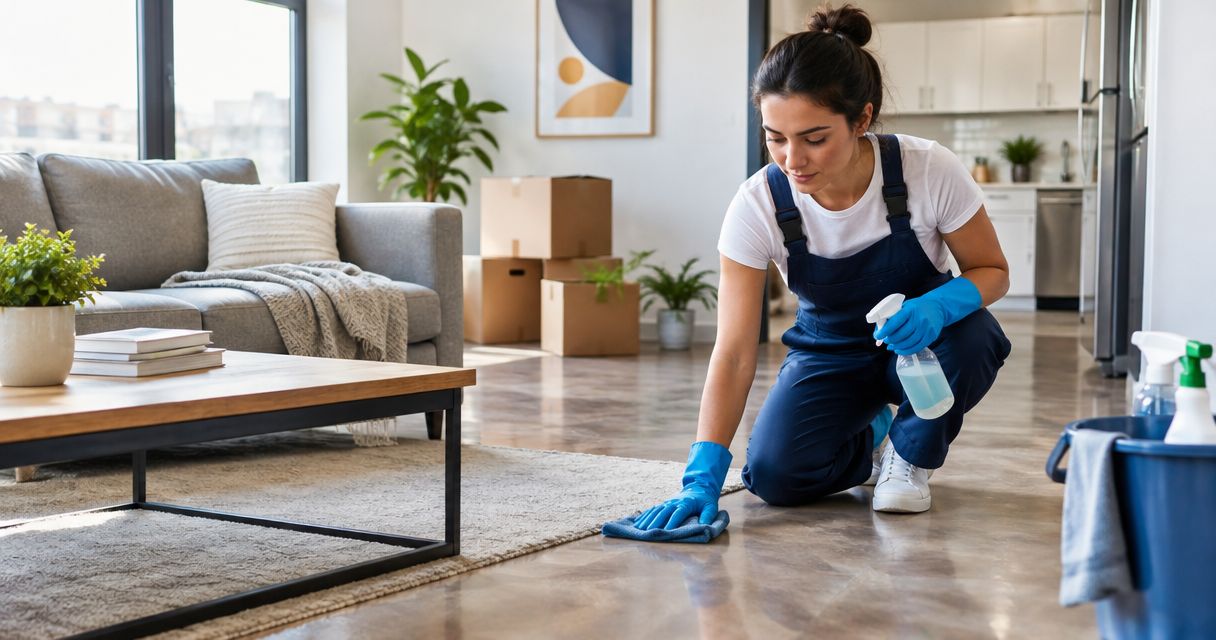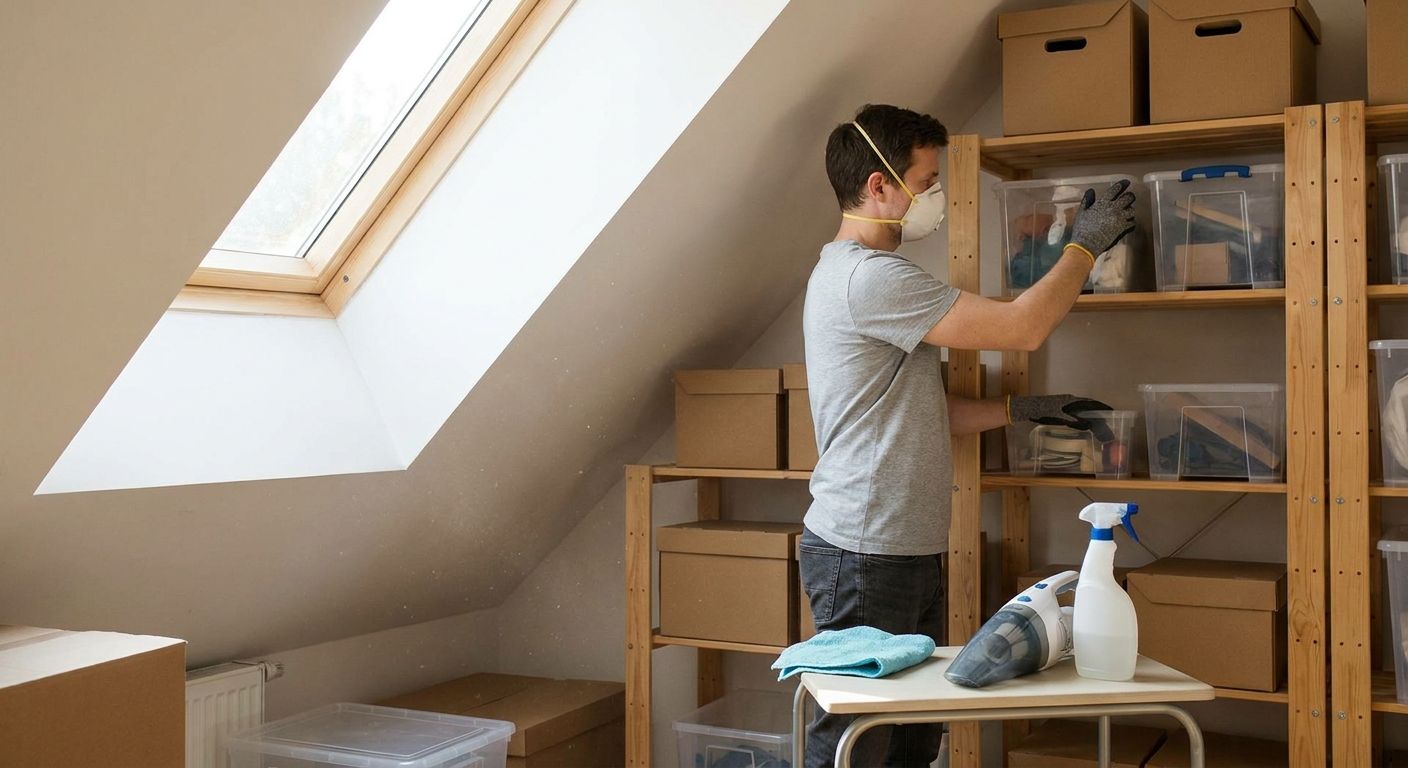
Finished attics and storage rooms collect more dust, cobwebs, and forgotten boxes than almost any other space in a Nashville home, and attic and storage cleaning in 2026 needs its own plan instead of a rushed pass with the same rag you used on the kitchen counter.
- Attic and storage cleaning works best as a declutter-first combo, not a bolt-on to a regular clean.
- Nashville attics can climb past 120°F on a July afternoon, so schedule this work for spring or fall.
- Pull-down ladders and loose insulation make this the one space where a pro crew beats a weekend DIY attempt.
- Pair attic cleaning with a finished basement or garage plan and it stops falling to the bottom of the list.
Why This Matters
Most Nashville homes built before the last decade have attics or storage rooms that never see a vacuum unless someone is hunting for the Christmas boxes. Dust builds on insulation, cobwebs collect near vents, and cardboard boxes soak up humidity swings between a hot attic and an air-conditioned house below.
That combination is exactly why attic and storage cleaning gets skipped and exactly why it shouldn't be. A finished attic that doubles as an office or guest room carries the same dust and allergen load as any bedroom, just with worse airflow and harder access.
Who This Attic and Storage Cleaning Guide Is For
This guide is for Nashville homeowners with a finished attic used as an office, playroom, or guest suite, and for anyone with a storage room stacked with seasonal decor, luggage, and off-season clothes. If your finished basement already gets its own cleaning plan (see house cleaning for finished basements), your attic deserves the same structure — it just tends to get ignored longer between visits because nobody sees it every day.
It's also for households prepping to sell, since buyers and inspectors open attic hatches more often than sellers expect.
What To Look For In Attic And Storage Cleaning
Dust And Insulation Handling
Attic dust is denser than living-room dust because it mixes with insulation fibers and roof debris. A crew that knows to avoid disturbing exposed insulation, rather than vacuuming straight over it, keeps particles out of your HVAC returns.
Access And Ladder Safety
Pull-down attic ladders and narrow storage stairs are the single biggest reason attic cleaning gets postponed. Anyone doing this work needs a plan for safe footing on joists, not just a promise to "be careful."
Humidity And Pest Awareness
Cardboard boxes in a humid Nashville summer are an open invitation to silverfish and mildew. A cleaning approach that flags damp boxes or signs of pests before they spread saves you a bigger problem later in 2026.
Declutter-First Sequencing
Cleaning around stacked boxes just moves dust from one pile to another. Attic and storage cleaning that starts with a quick sort — keep, donate, toss — gets far more surface actually wiped down.
Frequency That Matches How You Use The Space
A finished attic used daily as an office needs dusting on the same cadence as any bedroom. A pure storage room only needs a deep pass once or twice a year, timed around mild weather.
Top Picks: Attic And Storage Cleaning Approaches
The Seasonal Deep Clean — the safe pick
One thorough pass in spring and one in fall, timed to avoid the 100°F-plus attic days that hit Nashville from June through August. It covers dusting exposed surfaces, wiping shelving, and checking boxes for moisture damage. Verdict: Buy if your attic is pure storage and gets opened a handful of times a year.
The Declutter-and-Clean Combo — the wildcard
This pairs a sorting session with the cleaning visit itself, following the same logic as how to declutter before a maid service visit. It takes more coordination up front but leaves a storage room that's actually navigable, not just dusted around stacked boxes. Verdict: Buy for anyone who hasn't touched the attic boxes in over a year.
Recurring Add-On To A Finished Space Plan
If you already have a recurring visit covering a finished garage or mudroom — see house cleaning for finished garages and mudrooms — folding attic access into the same recurring schedule keeps dust from building back up between deep cleans. Verdict: Consider if your attic gets regular foot traffic as living space.
Allergy-Sensitive Household Package
Households managing asthma or dust allergies benefit from treating the attic like any other allergen hotspot, following the same principles in deep cleaning for allergy and asthma relief. This focuses on trapped dust near vents and returns rather than general tidying. Verdict: Buy if anyone in the house has respiratory sensitivities and the attic connects to shared HVAC ductwork.
The One-and-Done Rush Job — the pick to skip
Squeezing attic cleaning into the last ten minutes of a standard house visit sounds efficient but rarely covers more than the areas nearest the hatch. Verdict: Skip it — a rushed pass wastes the trip without solving the dust or pest risk sitting further back.
What To Avoid
- Skipping a moisture check. A box that looks fine on top can be damp on the bottom from months of Nashville humidity swings — check before you shelve it back.
- Treating attic cleaning like dusting a bookshelf. Insulation, joists, and low clearance change the technique; a standard duster and a five-minute pass leaves the real dust load untouched.
- Ignoring pest signs to save time. Droppings, chewed cardboard corners, or a musty smell near the eaves mean the cleaning visit needs a pause, not a vacuum over the top.
Verdict Comparison
| Approach | Best For | Frequency | Verdict |
|---|---|---|---|
| Seasonal Deep Clean | Pure storage attics | 2x per year | Buy |
| Declutter-and-Clean Combo | Cluttered storage rooms | Once, then seasonal | Buy |
| Recurring Add-On | Attics used as living space | Every visit | Consider |
| Allergy-Sensitive Package | Households with asthma/allergies | 2-4x per year | Buy |
| Rushed Add-On | Nobody, honestly | N/A | Skip |
FAQ
How often should you clean a finished attic?
A finished attic used as living space needs dusting roughly as often as a bedroom, while pure storage attics only need a deep pass twice a year in spring and fall. Nashville's summer heat makes mid-year attic work uncomfortable and less thorough.
Is attic and storage cleaning different from regular house cleaning?
Yes, attic and storage cleaning deals with denser dust mixed into insulation, tighter access via ladders or narrow stairs, and higher humidity swings than living areas. A regular cleaning pass usually skips these spaces because the setup is different.
Can attic cleaning help with allergies?
Attic dust often sits near shared HVAC returns, so clearing it can reduce circulated allergens through the rest of the house. Households managing asthma benefit most from treating the attic on the same schedule as other allergen hotspots.
Should I declutter before a storage room cleaning visit?
Sorting boxes into keep, donate, and toss before a cleaning visit means more surface area actually gets wiped down instead of dusted around. It also surfaces moisture or pest damage that would otherwise stay hidden behind stacked boxes.
What time of year is best for attic cleaning in Nashville?
Spring and fall are best, since Nashville attics can climb past 120°F on summer afternoons, making thorough work both uncomfortable and rushed. Cooler months also mean less humidity working against you while boxes are open.
Do storage rooms need pest checks during cleaning?
Yes, cardboard boxes in humid storage rooms attract silverfish and other pests, so a cleaning visit should include a quick check for droppings or chewed corners. Catching it early is far cheaper than dealing with a spread infestation later.
Is a recurring plan worth it for attic cleaning?
A recurring plan makes sense if the attic gets regular foot traffic as an office, playroom, or guest room, since dust rebuilds the same way it does in any living space. Pure storage attics generally do fine with two deep cleans a year instead.
One Last Thing
The boxes people worry about protecting are usually fine — it's the insulation dust settling into HVAC returns that causes the bigger problem, and it's invisible until allergy season hits. Check the attic hatch seal while you're up there in 2026; a gap around it is often the real source of the dust reappearing three weeks after a clean.